Purchasing used compactors can be a smart financial move for businesses looking to manage waste efficiently without paying the premium price of brand-new equipment. However, the decision requires careful evaluation. Compactors and recycling equipment are application-specific, and choosing the wrong one or failing to identify underlying issues can lead to expensive repairs, downtime, and operational inefficiencies. Before committing to a purchase, it’s crucial to understand what to look for, what to avoid, and how to make sure you’re getting a reliable, high-performing unit.
Understanding the Role of Compactors
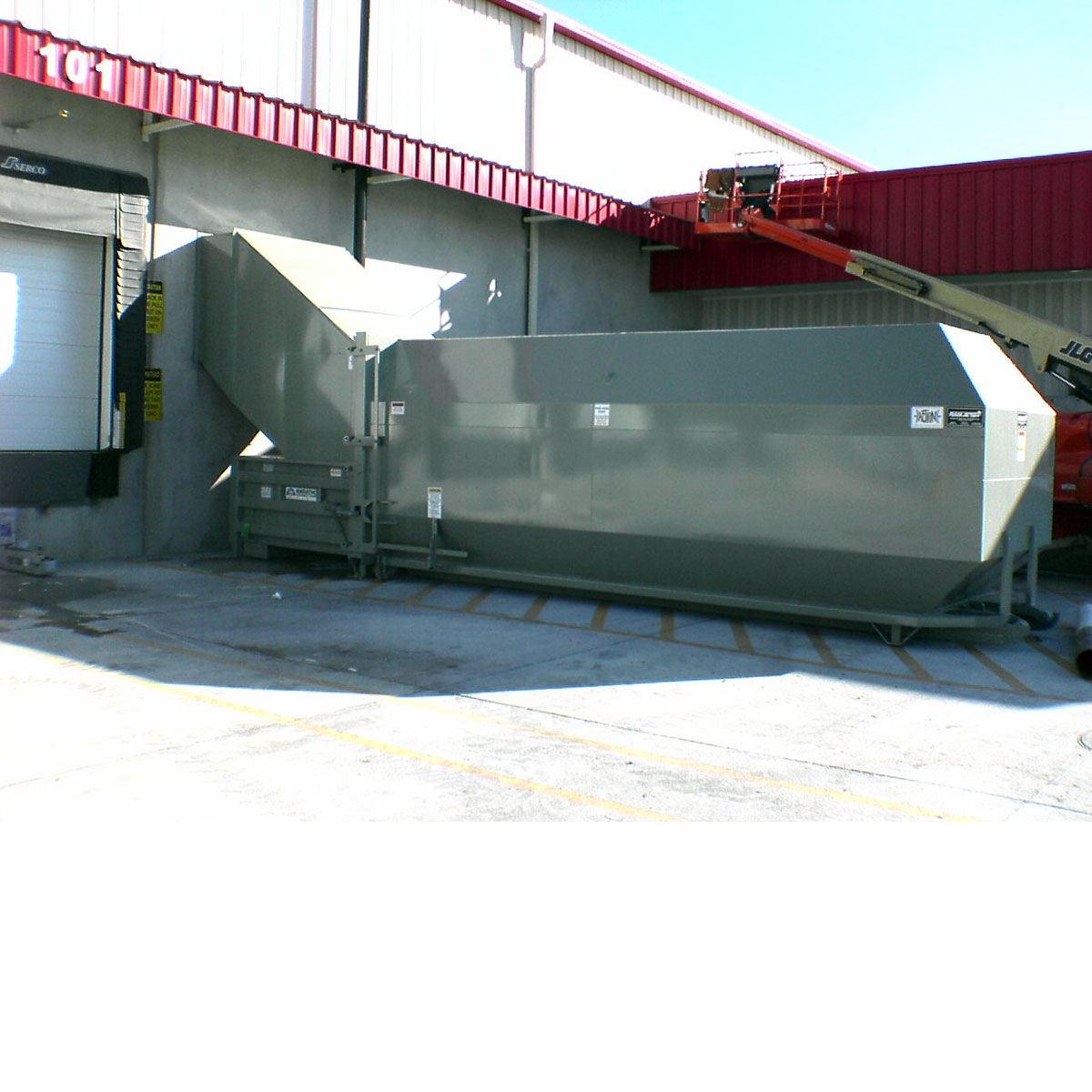
A compactor is an essential piece of equipment in waste management and recycling operations. It reduces the volume of materials such as cardboard, paper, plastic, and general waste, making storage and transport more efficient. There are various types of compactors, including stationary compactors, self-contained compactors, vertical compactors, and apartment-style units. Each type serves a unique purpose depending on the waste stream and operational environment.
For example, a self-contained compactor is ideal for handling wet waste such as food scraps, while stationary compactors are better suited for dry waste like cardboard and packaging. The first step in evaluating used compactors is determining the right type for your application. This ensures the equipment performs effectively and integrates seamlessly into your existing system.
Why Buy Used Compactors?
Purchasing used compactors offers several benefits beyond cost savings. A well-maintained used compactor can deliver the same performance and longevity as a new one for a fraction of the price. Many used models come from reputable sources that refurbish and test the equipment before resale, offering peace of mind to the buyer.
Another advantage is reduced lead time. New compactors often have long manufacturing and delivery cycles, whereas used units are usually available immediately. This is particularly valuable for businesses that need quick replacements or are scaling operations.
However, while the advantages are clear, there are risks associated with buying used equipment. Understanding how to identify quality and avoid potential pitfalls is key.
Assessing the Physical Condition
The first step in evaluating a used compactor is a thorough visual inspection. Look for signs of wear, corrosion, and structural damage. Check the compactor body, frame, and ram for cracks or excessive rust. Inspect the hydraulic system for leaks, as even small leaks can lead to major issues down the road. Make sure all hoses, seals, and fittings are intact.
Pay attention to the electrical components. Wiring should be neat, secure, and free from fraying or exposed conductors. Test all control panels and switches to ensure they function correctly. Listen for unusual noises when operating the compactor; grinding or knocking sounds can indicate internal damage or improper maintenance.
While cosmetic wear is expected in used machinery, functional integrity is non-negotiable. A solid structure and reliable components are signs of a well-maintained unit.
Evaluating Performance and Power
The performance of a compactor largely depends on its hydraulic system. Check the hydraulic pump and cylinders for smooth operation. The unit should achieve full compression without hesitation. Uneven or sluggish performance could signal hydraulic inefficiencies or worn components.
Next, assess the motor and power source. Verify that the voltage and phase requirements match your facility’s electrical system. Motors that run hot or draw excessive current may be nearing the end of their lifespan.
If possible, request a demonstration of the unit in operation. Observe the cycle time and ensure the compactor operates consistently without stalling. Proper performance testing provides valuable insight into the equipment’s true condition.
Reviewing Maintenance Records
One of the most reliable indicators of quality in a used compactor is its maintenance history. Ask the seller for detailed service records, including any repairs, part replacements, or preventive maintenance performed. Consistent service and inspections indicate that the previous owner took care of the equipment.
On the other hand, a lack of documentation could suggest neglect or hidden problems. Ideally, the maintenance records should align with the manufacturer’s recommended schedule. If the compactor has received regular hydraulic fluid changes, seal replacements, and inspections, it’s more likely to perform reliably for years to come.
A reputable seller or service provider should be transparent about the unit’s maintenance history and condition.
Understanding the Equipment’s Age and Usage
The age and hours of use are key factors in determining a compactor’s remaining lifespan. While compactors can last for decades with proper maintenance, heavy use in demanding environments accelerates wear. Check the hour meter, if available, and ask about the equipment’s operational history.
Was it used in a single-shift or multi-shift environment? Did it handle heavy industrial waste or lighter commercial loads? These details matter. A newer compactor that has been overworked may be in worse condition than an older, lightly used model. Understanding the machine’s history helps you gauge its true value and potential longevity.
Verify Manufacturer Reputation and Parts Availability
When buying used equipment, stick with well-known manufacturers that have a track record of reliability and support. Established brands offer greater assurance of quality construction and easier access to replacement parts.
Some older or discontinued models may be difficult to service due to limited parts availability, which can increase maintenance costs. Before finalizing a purchase, verify that parts are still available and that local service providers can perform necessary repairs.
Working with a dealer like Action Compaction ensures that your used compactor comes from a trusted source with a strong support network and a full inventory of replacement components.
Consider Refurbished vs. As-Is Equipment
Not all used compactors are sold in the same condition. Some are “as-is,” meaning they come directly from the previous owner without inspection or repairs. Others are refurbished, meaning they have been reconditioned by a qualified technician.
Refurbished compactors are usually tested, cleaned, and fitted with new parts as needed to meet operational standards. While refurbished units cost more than as-is models, they provide greater reliability and often come with a warranty or service agreement.
Choosing a refurbished unit from a reputable dealer can save you time, money, and frustration in the long run.
Testing for Safety and Compliance
Safety should never be overlooked when buying a used compactor. Check that all guards, covers, and safety interlocks are intact and functional. The emergency stop button should work correctly, and warning labels must be legible.
Make sure the compactor meets current safety and regulatory standards, including OSHA requirements. Non-compliant equipment not only poses a safety hazard but could also result in fines or liability issues.
Always verify that the compactor has been properly tested and certified for safe use. Working with a knowledgeable supplier ensures that the equipment is ready for installation and operation without risk to personnel.
Factor in Installation and Service Support
Even the best equipment requires proper installation and ongoing service. Before purchasing a used compactor, confirm that the supplier provides installation and maintenance support.
Action Compaction, for example, not only sells high-quality compactors and recycling equipment but also provides complete installation, mobile service, and repairs across Utah, the Intermountain West, and surrounding states. Our experienced technicians ensure that every unit operates at peak performance from day one.
Reliable service support minimizes downtime, extends equipment life, and helps you get the most out of your investment.
Common Mistakes to Avoid When Buying Used Compactors
- Skipping the inspection: Never buy used equipment sight unseen. Always request a full inspection report and, if possible, witness the unit in operation.
- Ignoring compatibility: Ensure that the compactor’s size, power requirements, and design fit your application. Mismatched equipment can lead to inefficiencies or costly modifications.
- Overlooking service accessibility: Even the best compactors need routine maintenance. Choose a model with easily accessible components and available service technicians in your region.
- Failing to verify history: Without maintenance records, you risk inheriting hidden issues. Always verify the equipment’s background and previous usage.
- Choosing based on price alone: The lowest price isn’t always the best deal. Consider overall value, including performance, condition, and support.
Avoiding these mistakes helps ensure a smooth, cost-effective purchasing process and long-term satisfaction.
The Value of Working with Industry Experts
Buying a used compactor involves more than just finding a low price. It requires technical knowledge, experience, and an understanding of waste management applications. Working with a trusted partner like Action Compaction gives you access to expert guidance, top-quality equipment, and dependable after-sales service.
Our team helps assess your needs, recommend the right compactor type, and ensure a seamless installation process. Action Compaction’s reputation for excellence comes from decades of serving customers across multiple industries, providing both new and used solutions that deliver lasting performance.
Making a Smart Investment
When done correctly, investing in a used compactor can be one of the most cost-effective ways to improve your waste management operations. The key is to balance price, quality, and service. Evaluate the equipment thoroughly, ask the right questions, and choose a supplier that stands behind its products.
A reliable used compactor should provide consistent performance, safety, and durability for years to come.
Contact Us Today
At Action Compaction, we understand that compactors and recycling equipment are application-specific, and we take pride in delivering equipment built to perform. Whether you’re looking for a new or used compactor, our team is here to help you make an informed decision and ensure your investment pays off.
We not only sell nationwide but also provide expert installation, mobile service, and repairs throughout Utah, the Intermountain West, and surrounding states.
Ready to get started? Call us today and put us into ACTION!
Recent Comments