In the world of waste management, efficiency is everything. Businesses and households alike are constantly seeking better ways to reduce the amount of space their trash consumes. One of the most effective tools for this task is the trash compactor. For many, the first question is simple: how does a trash compactor work? By understanding the mechanics behind these machines, you can better appreciate their role in reducing waste volume, improving sanitation, and streamlining disposal processes.
The Purpose of a Trash Compactor
Trash compactors are designed to minimize waste volume by applying significant force to garbage. Instead of letting bags of loose trash pile up, compactors crush and compress materials into smaller, denser bundles. This means fewer trips to the dumpster, reduced hauling costs, and more sustainable use of landfill space. In commercial and industrial settings, compactors are a vital part of daily operations. In residential settings, they provide convenience and reduce clutter.
What Are the Main Components of a Trash Compactor?
To understand how trash compactors function, it is helpful to look at their essential parts. While different models vary in size, design, and application, most compactors share a set of core components:
1. Ram or Platen
The ram, sometimes called the platen, is the heavy steel plate that moves downward to compress waste inside the container. Driven by hydraulic or pneumatic systems, the ram applies the necessary pressure to reduce trash volume. Its strength and durability are critical to the compactor’s performance.
2. Hydraulic or Pneumatic System
This system is the powerhouse of the compactor. Hydraulics, which use pressurized fluid, are the most common. They provide the immense force required to crush even bulky materials. Pneumatic systems, powered by compressed air, are sometimes used for smaller or lighter-duty compactors.
3. Compaction Chamber
The chamber is where trash is deposited before compression begins. It is typically reinforced with heavy-duty steel to withstand repeated force without bending or breaking. In larger compactors, the chamber may also have safety features like interlocks to prevent operation when the door is open.
4. Container or Bin
After the waste is compacted, it is stored in a container or bin. Depending on the compactor type, this may be detachable for hauling or permanently installed for on-site disposal. Containers are designed to hold large amounts of compacted waste, maximizing efficiency.
5. Control System
Modern compactors are equipped with user-friendly control panels. These allow operators to start and stop the machine, monitor pressure levels, and sometimes track maintenance needs. Safety interlocks and emergency stops are also part of this system.
6. Safety Features
Safety is a top priority. Compactors include features such as key-lock controls, automatic shut-offs, and interlocking doors. These prevent accidents and ensure that the machine only operates under safe conditions.
How Does the Compaction Process Reduce Waste Volume?
The magic of trash compactors lies in the way they reduce waste volume. Let’s break down the process:
Step 1: Loading the Chamber
Trash is placed into the compactor’s chamber. Depending on the machine, this could be loose garbage, cardboard boxes, or industrial waste. Some compactors are designed for specific materials, such as recyclables or organic waste.
Step 2: Activation
The operator activates the compactor using the control panel. Once engaged, the hydraulic or pneumatic system powers the ram.
Step 3: Compression
The ram lowers into the chamber, pressing down with immense force. This compression crushes air pockets, flattens bulky items, and consolidates the material into a dense mass. For industrial compactors, the force can reach tens of thousands of pounds per square inch.
Step 4: Retraction and Storage
After the waste is compacted, the ram retracts to its original position. The newly compressed bundle remains in the bin or container. Over time, the bin fills with tightly packed waste, which takes up far less space than loose garbage.
Step 5: Removal
When the container is full, it is removed or emptied for disposal. Because the waste is compacted, fewer hauling trips are required, saving both time and money.
The compaction process reduces waste volume by up to 75 percent, depending on the materials being compacted. This translates to fewer bags, less clutter, and more efficient use of dumpsters and landfills.
Types of Trash Compactors
Different environments call for different compactor designs. Here are the most common types:
1. Stationary Compactors
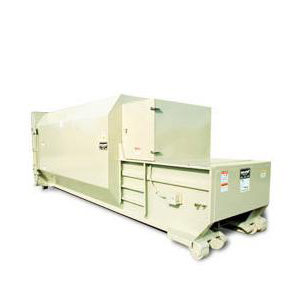
These are typically used in commercial and industrial facilities. The compactor remains fixed in place while the container is removed for hauling. They are ideal for dry waste such as cardboard, plastics, and paper.
2. Self-Contained Compactors
These units integrate the compactor and container into a single unit. They are especially useful for wet waste, such as food scraps, because they prevent leakage and odors.
3. Vertical Compactors
With a small footprint, vertical compactors compress waste into a front-loading container. They are popular in restaurants, retail stores, and small businesses.
4. Residential Compactors
Smaller, kitchen-sized compactors are available for homeowners. These compactors reduce the frequency of trash disposal and help keep homes organized.
Benefits of Using a Trash Compactor
Trash compactors offer multiple advantages for both businesses and households:
- Space Savings: By reducing trash volume, compactors free up space in dumpsters, containers, and landfills.
- Cost Efficiency: Fewer hauling trips mean lower waste management expenses.
- Improved Sanitation: Compacting trash reduces odors, prevents pest infestations, and keeps facilities cleaner.
- Sustainability: With less waste volume, landfill use is reduced, supporting greener waste management practices.
- Convenience: Compactors simplify the process of trash disposal, saving time and labor.
What Maintenance Is Required to Keep a Trash Compactor Functioning Efficiently?
Like any piece of heavy-duty equipment, trash compactors require regular maintenance to ensure optimal performance and safety. Neglecting maintenance can lead to costly breakdowns, reduced efficiency, and potential hazards. Here are the key maintenance practices:
1. Routine Cleaning
Keep the compaction chamber and surrounding area clean to prevent the buildup of debris, grease, or liquids. Regular cleaning reduces odors and helps prevent pests.
2. Inspect Hydraulic Systems
Hydraulic lines, pumps, and cylinders should be checked for leaks or wear. Maintaining fluid levels is critical, as low or contaminated fluid can cause malfunctions.
3. Lubrication
Moving parts such as hinges, bearings, and ram guides should be lubricated as recommended by the manufacturer. Proper lubrication prevents wear and extends the lifespan of components.
4. Check Electrical Systems
Inspect wiring, switches, and control panels for damage or wear. Ensure all safety interlocks and emergency stops function correctly.
5. Container Maintenance
For compactors with detachable containers, check for structural integrity. Look for cracks, corrosion, or weakened welds that could compromise safety.
6. Professional Servicing
Schedule periodic professional maintenance with experienced technicians. They can perform in-depth inspections, replace worn components, and ensure compliance with safety standards.
Consistent maintenance not only extends the life of a trash compactor but also ensures that it operates safely and efficiently.
Final Thoughts
Trash compactors are powerful machines that play a crucial role in modern waste management. By understanding how they work, what components they use, and how to maintain them, you can maximize their benefits and extend their service life. Whether you operate a business, manage an industrial facility, or simply want greater efficiency at home, compactors provide a practical and cost-effective solution for handling waste.
Contact Us Today
At Action Compaction, we know that compactors and recycling equipment are application-specific. We take pride in building and installing top-quality equipment and providing excellent ongoing service and support. Our Service Department is on call for mobile service and repairs, covering the Intermountain West, Utah, and surrounding states. Plus, we sell nationwide.
Ready to get started? Call us today and put us into ACTION!
Recent Comments