Industrial balers play a vital role in streamlining waste management and recycling operations across countless industries. These machines compress materials into compact, transportable, and storable bales that help organizations reduce waste volume, optimize handling, and improve efficiency. For any business that generates recyclable or waste materials, selecting the right baler can significantly improve day-to-day operations, long-term profitability, and overall sustainability. Understanding the major types of balers, how they function, and where they are commonly applied is the key to making a smart investment.
What Is an Industrial Baler
An industrial baler is a specialized machine used to compress recyclable or waste materials into dense, uniform bales. These bales are easier to transport, handle, and store, which helps businesses reduce labor effort and hauling costs. Balers are commonly used for cardboard, plastics, textiles, paper, foam, metals, and more. By reducing material volume, businesses increase operational efficiency while also improving recycling rates and minimizing landfill disposal.
Major Types of Industrial Balers
Choosing the right baler depends on several factors, including the type of material, volume produced, available space, and workflow requirements. Each baler type provides unique features and advantages, making it well-suited to specific applications. Below are the most common industrial balers used across manufacturing, retail, distribution, and waste processing industries.
Vertical Balers
Vertical balers are compact and affordable solutions ideal for facilities with moderate material output. They operate with a vertically moving ram that compresses material inside an upright chamber. Businesses appreciate vertical balers for their small footprint, lower initial investment, and ease of operation. These units are especially popular in retail stores, small warehouses, property management operations, schools, and hospitality environments. They are most often used for materials like OCC cardboard, plastics, shrink wrap, and paper. Vertical balers are also known for their low energy consumption compared to larger industrial systems.
Horizontal Balers
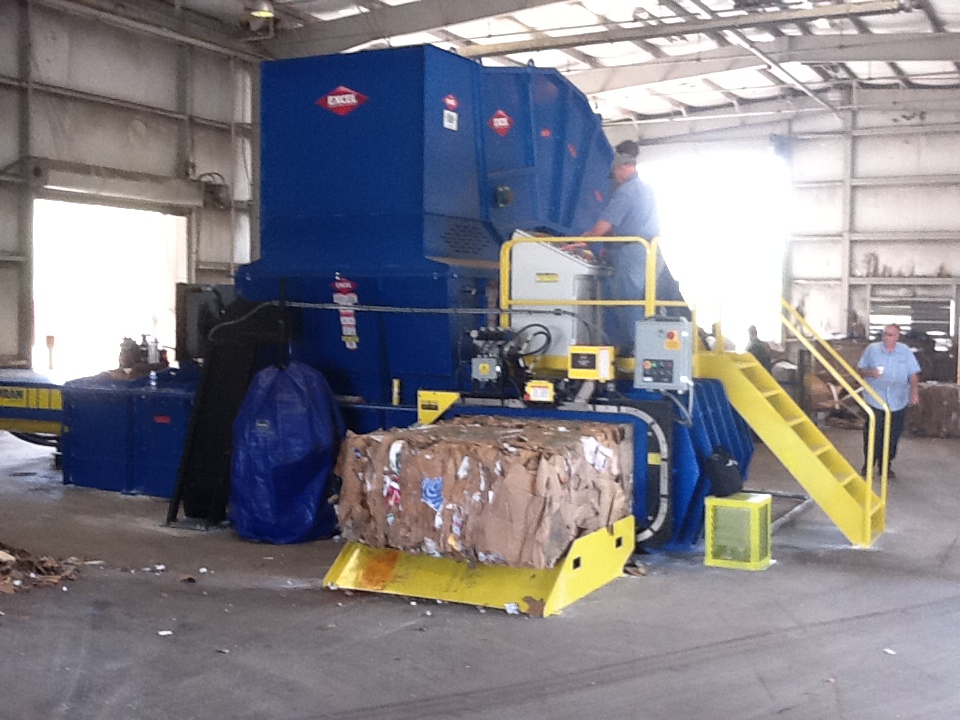
Horizontal balers are best suited for operations handling large volumes of recyclables or waste materials. These machines compress material using a horizontal ram and can be designed for manual, semi-automatic, or fully automatic operation. They provide faster cycle times, higher throughput, and larger bale size capability than vertical models. Horizontal balers are a top choice in distribution centers, recycling facilities, industrial plants, and logistics hubs. Because they can accommodate conveyor feeds, they integrate seamlessly into automated processing lines. Many models include automatic tying systems for high-efficiency production.
Closed-End Balers
These balers feature a fully enclosed chamber that allows for consistent compression and excellent bale density. Closed-end balers are commonly used for rigid or dense materials such as plastics, foam, textiles, and certain metals. Businesses benefit from uniform bale shapes that stack easily for transport. Closed-end horizontal balers are often selected for medium-to-high volume operations where bale consistency and density are essential.
Open-End Automatic Balers
Open-end automatic balers are high-capacity systems built for continuous operation. They use an extrusion design, allowing bales to exit automatically without stopping the compaction process. These models are ideal for facilities processing very large quantities of OCC, plastics, or mixed recyclables. Their automatic tying systems and conveyor integration support nonstop material handling, making them essential for major recycling centers and manufacturing plants.
Two-Ram Balers
Two-ram balers use two hydraulic rams to compress and eject bales. They excel at processing a wide variety of materials, including metals, rigid plastics, aluminum cans, and mixed recyclables. These balers can switch between materials quickly without extensive setup, making them ideal for MRFs (material recovery facilities), scrap yards, and high-capacity recycling operations. The two-ram design also provides exceptionally dense bales, which reduces transportation and storage demands.
Specialty Balers
Some balers are engineered for specific applications. Examples include:
- Textile balers for clothing and fabric recycling
- Foam balers for EPS and cushioning materials
- Liquid extraction balers that remove fluids from products such as beverage containers or packaged goods
- Tire balers built to compact vehicle tires into transportable blocks
- Specialty balers provide the custom functionality necessary to handle materials that do not behave well under standard compression processes.
Common Applications of Industrial Balers
Balers are used across nearly all industries where recyclable or waste materials are produced. Each industry depends on balers for different reasons, but the outcome is the same: improved efficiency, reduced waste volume, and lower operating costs.
Retail and Grocery
Retailers and grocery stores generate steady volumes of cardboard, plastic wrap, paperboard, and packaging materials. Balers help staff keep backrooms organized, compact materials for hauling, and maximize recycling rebates. Vertical balers are the most common choice due to their smaller footprint.
Manufacturing and Industrial Plants
Production facilities create substantial amounts of scrap, trim, foam, plastic, textiles, and metals. Horizontal or two-ram balers allow manufacturers to streamline scrap management, capture valuable recyclables, and reduce clutter around work areas.
Distribution Centers and Warehouses
These environments deal with constant inflows of packaging and shipping materials. Automated baling systems help keep docks clear and reduce the time spent handling materials manually.
Hospitality and Property Management
Hotels, apartment complexes, and resorts benefit from balers to manage cardboard, linens, plastic containers, and mixed recyclables. Balers help reduce dumpster pickups and improve sustainability goals.
Recycling Centers and Scrap Yards
High-volume facilities require heavy-duty balers capable of handling a wide variety of materials. Two-ram and automatic balers provide the capacity, durability, and automation needed to maintain continuous operations.
Print Shops, Offices, and Schools
Paper, cardboard, and plastics accumulate rapidly in office environments. Vertical balers provide a safe, compact solution for reducing volume and keeping storage areas manageable.
Agriculture
Farm operations sometimes use balers to manage materials such as plastics, drip tape, and packaging. Industrial balers help consolidate waste for easier transport and recycling.
How Industrial Balers Help Reduce Costs
Balers provide substantial cost savings for businesses that generate ongoing waste or recycling materials. While the initial investment may vary depending on the model and capacity, the long-term benefits typically outweigh the cost.
Reduced Hauling Fees
Waste hauling services charge based on volume as well as frequency. By densifying materials into compact bales, businesses reduce the number of pickups required and utilize container space far more efficiently. Over time, this reduces monthly waste expenses significantly.
Lower Labor Costs
Balers automate the compaction process, which reduces the amount of time employees spend breaking down materials or transporting loose waste. Automated horizontal and two-ram balers further reduce labor needs through conveyor feeds and automatic tying systems.
Improved Space Efficiency
Loose recyclables can quickly overwhelm storage spaces and work areas. Balers condense materials into uniform blocks that stack easily and take up a fraction of the space. This helps maintain safe, organized, and efficient work environments.
Higher Recycling Revenue
Densely compacted bales often yield higher rebates from recycling centers because they provide more material per load and require less handling. Businesses working with cardboard, plastics, or metals benefit greatly from consistent, high-quality bales.
Enhanced Equipment Longevity
By choosing application-specific equipment designed for your operational demands, you reduce the risk of mechanical strain or premature wear. Proper baler selection and regular service ensure long-term equipment value.
Environmental Advantages
Balers contribute to corporate sustainability efforts by increasing recycling rates, reducing landfill waste, and lowering transportation emissions. These environmental gains are becoming increasingly important as businesses adopt greener operating practices.
Selecting the Right Industrial Baler
The best baler for your facility depends on several operational factors. Consider the following when evaluating equipment options:
- Material type and characteristics
- Volume output and frequency
- Available floor space
- Bale size and density requirements
- Workflow and automation needs
- Power availability
- Local hauling and recycling requirements
- Industry regulations
Working with an experienced equipment provider ensures you select the most efficient machine for your exact application.
Why Work with Action Compaction
Compactors and recycling equipment are application-specific. Selecting, installing, and supporting the right baler requires knowledge, experience, and long-term service. At Action Compaction, we take pride in building and installing equipment that performs reliably in demanding environments. Our team provides excellent ongoing service and support designed to keep your operation running smoothly. Our Service Department is always on call for mobile service and repairs. Our service area includes the Intermountain West, Utah, and surrounding states, and we proudly sell nationwide. Whether you need a vertical baler for a retail space or a fully automated horizontal system for industrial production, we deliver dependable solutions tailored to your business needs.
Ready to Get Started
If your organization is ready to improve efficiency, reduce costs, and optimize your waste or recycling operations, Action Compaction has the expertise and equipment to help. Call us today and put us into ACTION!
Recent Comments