Shopping for a used trash compactor for sale can be a smart way to reduce costs while still upgrading your waste management system. Whether you operate a commercial property, warehouse, manufacturing facility, retail center, or multi-unit housing complex, a compactor is an important investment that affects operational efficiency, cleanliness, safety, and long-term waste handling costs. The key is knowing what to look for before you buy so you can avoid unexpected repairs, downtime, or poor performance.
Check 1: Identify the Correct Compactor Type for Your Application
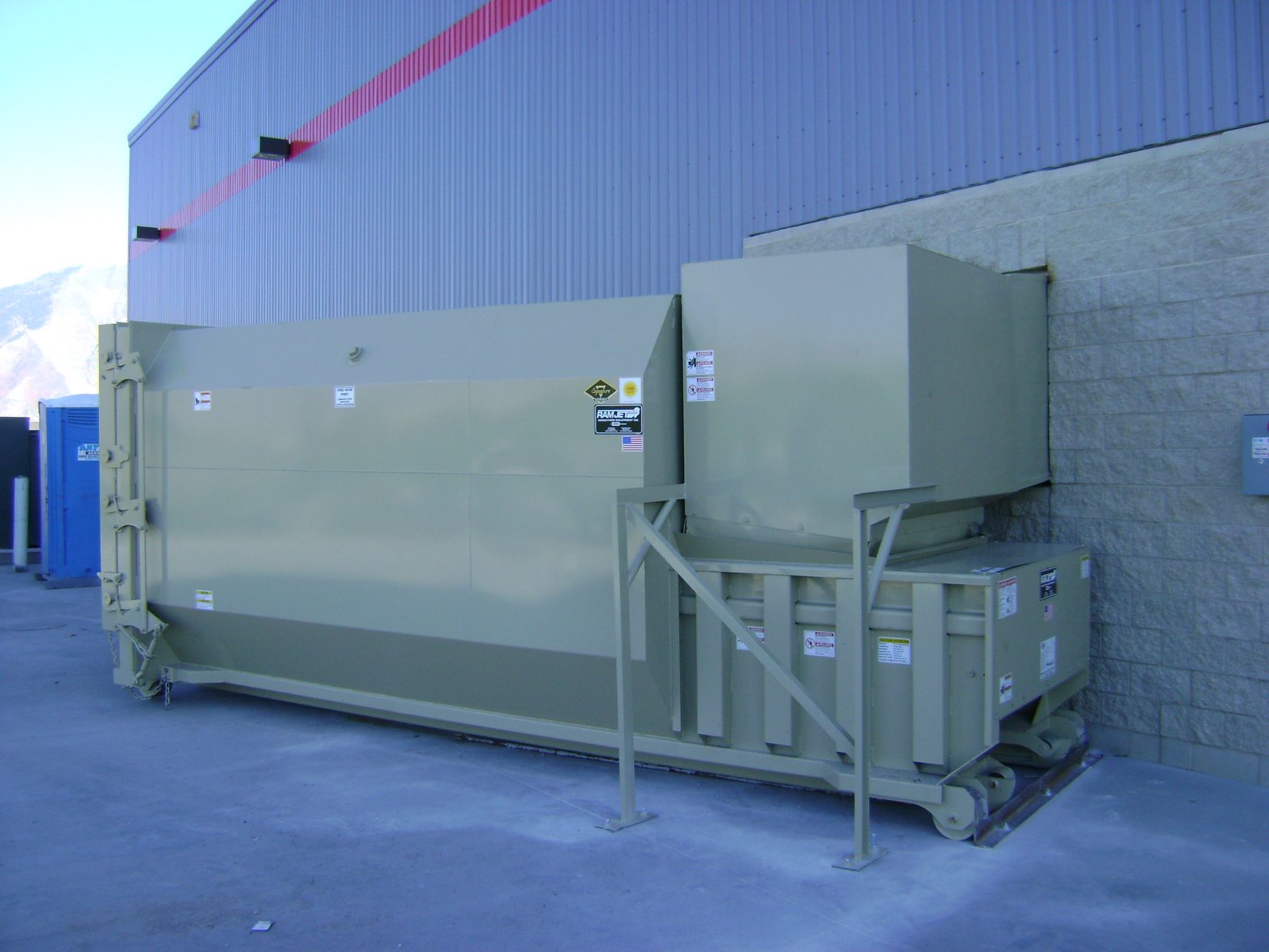
Before evaluating the condition or pricing, confirm that the equipment type matches your operational needs. Compactors and recycling equipment are highly application-specific. A stationary compactor is designed for dry waste such as cardboard, paper, or packaging materials commonly found in warehouses and distribution centers. Self-contained compactors are engineered to manage wet waste, making them ideal for restaurants, grocery stores, and food processing facilities. Apartment compactors, chute-fed systems, balers, and specialty compactors each serve very different functions. Choosing the wrong type can lead to excessive wear, leaks, inefficient operation, and even safety hazards. When reviewing a used unit, request specifications, model information, and intended use from the previous owner. If the equipment was not originally designed for your application, it may not perform effectively or may require expensive retrofitting.
Check 2: Evaluate the Physical Condition of the Structure
A thorough visual inspection provides insight into how well the compactor was maintained and how much life it has left. Examine the compactor body for corrosion, cracks, dents, patchwork repairs, or evidence of structural fatigue. Look at weld points for separation or excessive rust. Inspect the ram face for wear patterns, gouging, or warping, which may indicate misalignment or overloading. A worn guide system or bent rails can result in uneven compaction, hydraulic stress, and costly repairs. Also check the compactor floor plates. These take the most abuse and often show early signs of thinning or metal fatigue. If the steel is badly worn or patched, the repair costs may offset the value of buying used. A solid structural condition reduces future downtime and supports long-term reliability.
Check 3: Inspect the Hydraulic System Carefully
The hydraulic system is the heart of the compactor, and it is essential to verify that it operates smoothly. Start by examining hoses, fittings, and cylinders for leaks, cracks, bulging, or signs of previous failures. Check the condition of the hydraulic fluid. Dark, sludgy, or contaminated oil can be a sign of poor maintenance or internal component wear. Inspect the hydraulic pump for unusual noise, vibration, or overheating. Ask for maintenance records showing fluid changes, filter replacements, and any hydraulic system service. If possible, power on the compactor and cycle the ram. Listen for abnormal sounds and observe cycle speed. Slow cycles or inconsistent pressure could indicate pump wear, cylinder issues, or flow restrictions. Repairs to hydraulic systems can be expensive, so verifying this component upfront protects you from unexpected mechanical costs.
Check 4: Test Electrical Components and Safety Controls
Safety systems and electrical controls are fundamental to compactor reliability and compliance. Inspect the condition of the control panel, wiring, switches, and electrical connections. Look for corrosion, frayed wiring, moisture exposure, or outdated components. Confirm that key safety features function properly, such as the emergency stop, key switch, interlocks, container present sensors, and automatic shutoff systems. A compactor with outdated or non-functioning safety equipment can be a liability risk and may require significant upgrades to meet modern regulations. If available, review service logs for electrical repairs or replacements. A used compactor can be a strong investment only when safety systems are intact and reliable.
Check 5: Verify Age, Usage Hours, and Maintenance History
A compactor’s age and usage hours heavily impact its remaining lifespan and value. Even a unit that looks clean may have endured years of heavy operation, particularly in industrial environments where compactors run continuously. Request documentation showing the year of manufacture, service intervals, and previous ownership. A well-maintained compactor with consistent service records generally performs better than a newer unit with poor maintenance. Look for notes related to hydraulic service, electrical work, structural repairs, and component replacements. Consistent preventative maintenance from qualified technicians is a strong sign that the equipment was cared for properly.
Check 6: Consider the Availability of Parts and Service
Before purchasing any used equipment, confirm that replacement parts and technical service are accessible. Some older or discontinued models may have limited support or hard-to-find components. If the manufacturer no longer supplies parts, repairs may become costly or impractical. Consult with a professional compactor service provider to determine whether the model you are considering is still supported and whether parts are readily available. Choosing a used compactor with accessible parts and strong service support ensures long-term viability and reduces the risk of extended downtime.
Check 7: Compare Price Against Potential Repairs and Installation Needs
The purchase price is only one part of the true cost of buying used equipment. Consider potential repairs, transportation, installation, electrical setup, and any retrofitting required for your facility. A low purchase price may be appealing, but could become expensive if the unit requires structural repairs, new cylinders, a hydraulic pump, a control panel update, or reconditioning. Often, working with an experienced provider allows you to accurately assess the total cost and determine whether buying used is truly beneficial compared to investing in new equipment. When evaluating the overall value, factor in lifespan, energy efficiency, compaction performance, and the ongoing service support available after purchase.
Why Work with a Trusted Compactor Expert Before You Buy
Purchasing a used trash compactor can offer significant savings, but only when the equipment is properly matched to your application and thoroughly evaluated. Compactors and recycling equipment are never one size fits all. Working with professionals ensures you get reliable guidance, accurate condition assessments, and equipment that aligns with your facility’s needs. Expert support protects your investment, minimizes risk, and ensures your waste management system operates efficiently from day one.
Action Compaction: Your Partner for New or Used Compaction Equipment
If you are searching for a used trash compactor for sale or evaluating options for new waste and recycling equipment, Action Compaction is here to help. We understand that every application is unique, and we take pride in building and installing high-quality equipment backed by exceptional service and ongoing support. Our Service Department is on call for mobile service and repairs. Our team serves the Intermountain West, Utah, and the surrounding states, and we also sell nationwide. Whether you need help selecting the right compactor, inspecting used equipment, or arranging installation or maintenance, our experts are ready to support your operation every step of the way.
Ready to Get Started? Put Us into Action
Choosing the right compactor can transform your waste handling efficiency, reduce expenses, and extend the life of your equipment. If you are considering purchasing a used unit or want professional guidance to ensure you make the best choice, Action Compaction is ready to assist. Contact us today to speak with a knowledgeable team member and get the support you need to move forward confidently. Ready to get started? Call us today and put us into ACTION!
Recent Comments