As businesses across industries continue to prioritize sustainability, efficiency, and cost control, one of the most effective ways to achieve all three is through improved waste management practices. Among these, waste compaction stands out as an essential strategy that every facility manager should understand and implement in 2026. Whether managing a large commercial property, industrial site, or multi-unit residential complex, effective waste compaction can reduce hauling costs, save space, enhance safety, and support compliance with environmental standards.
Understanding the Importance of Waste Compaction
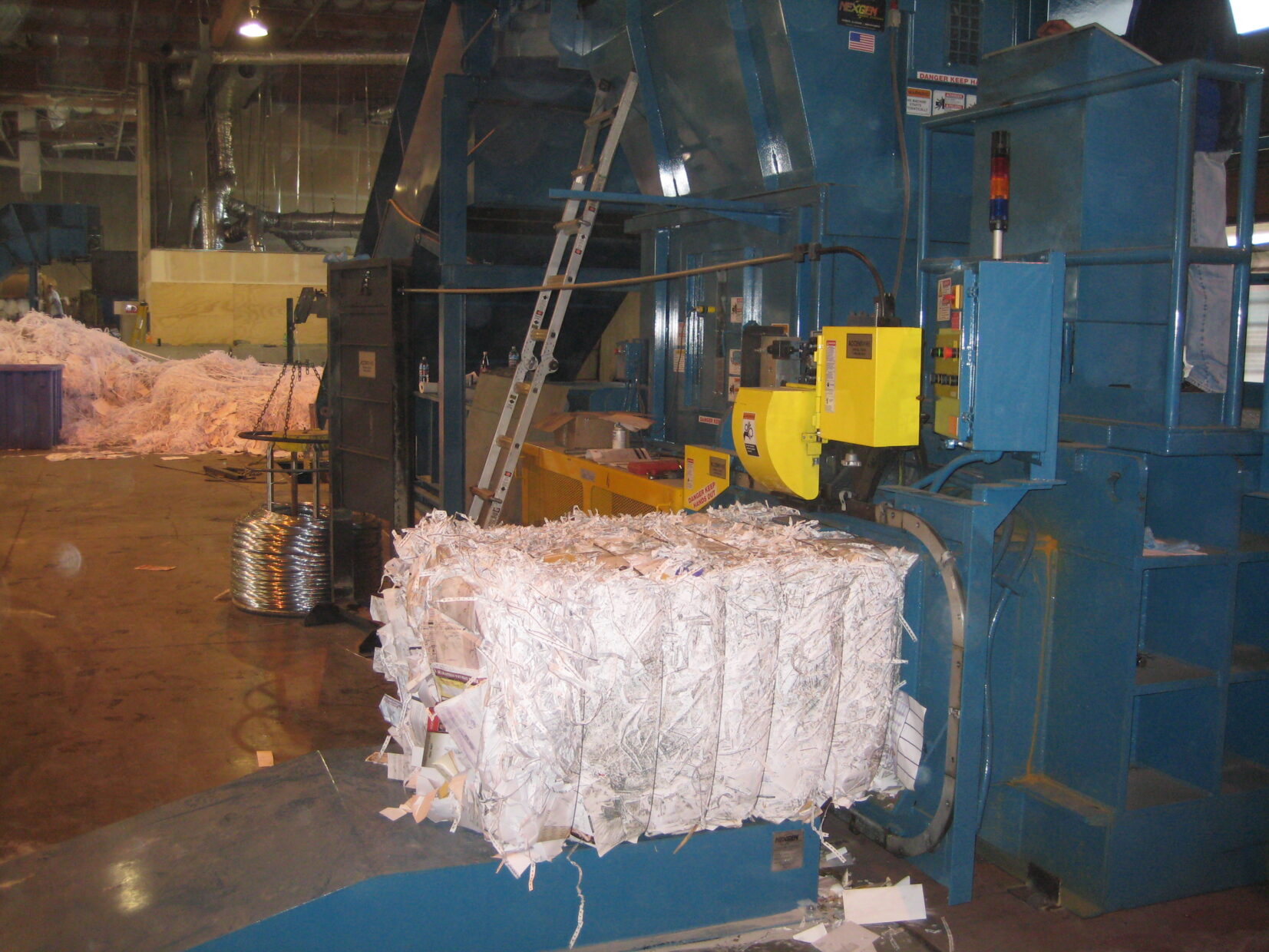
Waste compaction involves using specialized equipment to compress waste materials, reducing their overall volume. The primary benefit is straightforward: by compacting waste, facilities can fit more material into fewer containers, minimizing the frequency and cost of waste pickups.
However, the advantages extend beyond simple volume reduction. Compaction helps improve site cleanliness, reduce pest infestations, minimize odor, and enhance safety by decreasing the likelihood of waste overflow or accidental spillage.
In 2026, with growing regulatory pressure and public demand for sustainable business operations, facility managers are expected to do more with less. Efficient waste compaction plays a vital role in meeting these expectations. Properly compacted waste can be transported more efficiently, which not only lowers carbon emissions but also helps organizations meet their corporate sustainability goals.
Key Types of Waste Compactors
Facility managers have several options when it comes to choosing waste compaction equipment. Understanding each type helps ensure the right fit for the application.
- Stationary Compactors
These units are ideal for dry waste like cardboard, paper, and packaging materials. The compactor remains in place while the container is detached and hauled away when full. Commonly used in warehouses, retail centers, and distribution facilities, stationary compactors are a cost-effective solution for high-volume dry waste generation. - Self-Contained Compactors
Designed for wet waste applications, self-contained compactors are sealed units that prevent leaks and odors. They are often used by restaurants, grocery stores, hospitals, and food processing facilities. The compactor and container are hauled away together, ensuring cleanliness and compliance with health standards. - Vertical Compactors
For facilities with limited space, vertical compactors offer a compact footprint while still delivering significant waste volume reduction. These are commonly found in small businesses, apartment complexes, and retail establishments. - Apartment and Chute-Fed Compactors
Multi-level buildings benefit from chute-fed compactors, which collect waste from multiple floors into a single compaction unit. This reduces manual handling, improves hygiene, and enhances tenant satisfaction. - Pre-Crushers and Transfer Systems
For industrial operations dealing with bulky items such as pallets, drums, or manufacturing scrap, pre-crushers break down large materials before compaction, allowing for optimal density and efficient transportation. Transfer systems, meanwhile, are used to move waste efficiently across large facilities or between collection points.
How to Choose the Right Compaction Equipment
Selecting the right compactor depends on several factors, including waste type, volume, facility size, and operational requirements. Facility managers should begin by conducting a waste audit to identify the primary materials generated, the frequency of disposal, and any existing inefficiencies in the waste stream.
Partnering with an experienced provider like Action Compaction ensures that each piece of equipment is tailored to the facility’s unique needs. For example, a supermarket may require a self-contained compactor to manage food waste, while a large retail distribution center might benefit from multiple stationary compactors to handle cardboard and packaging.
Additionally, Action Compaction provides customized installations to optimize workflow, accessibility, and safety.
Best Practices for Maximizing Waste Compaction Efficiency
- Train Staff Properly
The success of a waste compaction system depends on how well employees understand its operation. Training should cover loading procedures, safety precautions, and basic maintenance. Overfilling or improper use can cause equipment damage or inefficient compaction. - Schedule Routine Maintenance
Preventive maintenance ensures consistent performance and extends equipment lifespan. Regular inspections can identify hydraulic, electrical, or structural issues before they lead to costly downtime. Action Compaction’s Mobile Service and Repairs team is available to provide on-site maintenance across Utah and the Intermountain West, helping clients stay operational without interruption. - Monitor Compaction Ratios
Facilities should regularly measure compaction ratios to evaluate performance. A declining compaction ratio may indicate improper operation or the need for servicing. Tracking these metrics helps managers make data-driven decisions about waste management. - Optimize Pickup Schedules
Compacted waste takes up less space, allowing facilities to reduce hauling frequency. Working closely with waste haulers to adjust pickup schedules can lead to significant cost savings over time. - Incorporate Recycling Streams
Effective waste compaction goes hand-in-hand with recycling initiatives. Separating recyclable materials like cardboard, plastics, and metals before compaction reduces contamination and improves recycling value. Action Compaction offers a range of recycling equipment designed to integrate seamlessly with existing waste systems. - Use Smart Technology
In 2026, facility managers can take advantage of IoT-enabled compactors that provide real-time data on fill levels, maintenance needs, and performance. These smart systems automatically alert staff when containers are full or when maintenance is required, optimizing efficiency and minimizing downtime.
Emerging Trends in Waste Compaction for 2026
As the waste management landscape evolves, several key trends are shaping the future of waste compaction. Facility managers who stay informed can position their operations for greater efficiency and sustainability.
- Smart Waste Monitoring
Advanced monitoring systems use sensors and cloud-based software to track waste volumes and equipment performance. This allows for predictive maintenance and just-in-time pickups, reducing operational costs. - Sustainability and Circular Economy Goals
Many organizations are embracing zero-waste targets and circular economy principles. Compactors designed to separate recyclables or integrate with material recovery facilities are becoming more common. Facilities that adopt these practices can demonstrate environmental leadership while reducing landfill dependency. - Energy-Efficient Equipment
Modern compactors are engineered for reduced energy consumption without compromising performance. Hydraulic systems and electric motors have become more efficient, lowering overall operating costs. - Safety Enhancements
Safety remains a top concern in waste management. New compactors are equipped with features such as automatic shut-off systems, access control panels, and real-time diagnostics to prevent accidents and protect employees. - Customized Installations
In 2026, businesses are increasingly seeking customized waste compaction solutions designed around their specific facility layout and workflow. Action Compaction specializes in tailoring systems to fit the operational and environmental needs of each client.
Benefits of Partnering with a Professional Waste Compaction Provider
Partnering with a trusted expert like Action Compaction provides facility managers with more than just equipment; it delivers peace of mind. From system design and installation to ongoing maintenance and support, professional guidance ensures that every aspect of the waste compaction process operates smoothly and efficiently.
- Expertise and Customization
Every facility has different requirements. Action Compaction’s team of specialists works closely with clients to assess waste streams, recommend the best equipment, and design custom solutions that maximize space and efficiency. - Reliable Service and Repairs
Even the best equipment requires maintenance. Action Compaction’s Service Department is on call for mobile service and repairs, ensuring that clients experience minimal downtime and sustained productivity. - Nationwide Sales and Local Support
While the company serves customers across the country, it maintains a strong service presence throughout Utah and the Intermountain West. This regional focus guarantees fast response times and expert care for local clients. - Comprehensive Solutions
Beyond compactors, Action Compaction offers a complete range of recycling equipment, containers, and accessories to build a fully integrated waste management system. This all-in-one approach simplifies operations and improves cost efficiency.
Steps to Implement a Waste Compaction Program
For facility managers planning to introduce or upgrade their waste compaction systems, a structured approach ensures success.
- Conduct a Waste Assessment
Identify the types and volumes of waste generated and determine the most effective compaction and recycling solutions. - Consult with Experts
Work with Action Compaction’s team to design a solution tailored to the facility’s operations, space, and budget. - Plan the Installation
Coordinate installation around operational schedules to minimize disruption. Ensure that access points, loading areas, and power requirements are properly planned. - Train Personnel
Properly train staff on safe and efficient equipment use. Clear operational procedures reduce errors and increase system lifespan. - Establish Monitoring and Maintenance Routines
Track system performance and schedule regular maintenance. Utilize smart monitoring technology to optimize performance. - Review and Adjust
Regularly evaluate waste management performance metrics and adjust strategies as necessary to maximize ROI.
Put Your Facility’s Waste Management into Action
In 2026, efficient waste compaction is more than just a cost-saving measure; it’s a vital component of responsible facility management. With the right strategies, equipment, and support, facility managers can reduce costs, enhance sustainability, and streamline operations.
At Action Compaction, we understand that compactors and recycling equipment are application-specific. We take pride in building and installing top-quality systems and providing exceptional ongoing service and support. Our Service Department is always ready for mobile service and repairs, ensuring your equipment continues to perform at its best.
Serving Utah, the Intermountain West, and customers nationwide, we’re ready to help you take control of your waste management program.
Ready to get started? Call us today and put us into ACTION!
Recent Comments