In construction, waste management, and industrial operations, compaction equipment plays a vital role in improving efficiency, reducing volume, and optimizing space. Whether you’re working on a large-scale construction project or managing waste in a commercial facility, using the right type of compaction equipment can streamline operations and cut costs significantly.
What Is Compaction Equipment?
Compaction equipment refers to machines designed to reduce the volume of material through compression. The materials involved can range from soil and gravel in construction settings to cardboard, plastic, and general waste in commercial and industrial environments.
The primary goal of these machines is to:
- Improve load-bearing capacity of soil or foundation materials.
- Minimize storage space needed for recyclables or waste.
- Reduce the frequency and cost of hauling or disposal.
- Enhance overall operational efficiency and sustainability.
Depending on the application, different types of compaction equipment are used. Each type is designed to handle specific materials, load capacities, and operating environments.
Types of Compaction Equipment
There are two broad categories of compaction equipment: static and vibratory. Within these categories, there are many specialized machines. Let’s break down the most common types.
1. Roller Compactors
These are widely used in road construction and large-scale grading projects. They use heavy drums to compress soil, asphalt, or other surfaces.
Common Variants:
- Smooth-Wheel Rollers – Ideal for asphalt and granular materials.
- Sheepsfoot Rollers – Effective for compacting cohesive soils like clay.
- Pneumatic Rollers – Use rubber tires instead of drums to deliver uniform pressure over a surface.
2. Plate Compactors
Often used in landscaping and small-scale construction, plate compactors are hand-operated and compact soil or asphalt through rapid vibrations.
Types:
- Single-Plate Compactors – Best for granular soils and light-duty work.
- Reversible Plate Compactors – Allow forward and backward movement; ideal for deeper compaction.
- Heavy-Duty Plate Compactors – Provide higher compaction force for industrial use.
3. Rammers (Jumping Jacks)
Rammers deliver a high-impact force in a small footprint, making them perfect for compacting cohesive soil in confined spaces like trenches.
4. Landfill Compactors
Designed for use in waste management facilities, these massive machines use steel wheels with teeth to crush and compress solid waste in landfills.
5. Trash Compactors
Found in commercial buildings, hospitals, and warehouses, these machines compress loose waste material into a dense block for easier storage and disposal.
Examples:
- Stationary Compactors – Fixed in place, used for dry waste.
- Self-Contained Compactors – Designed for wet waste and prevent leakage.
- Vertical Compactors – Suitable for locations with limited space.
- Apartment Compactors – Compact units ideal for residential buildings.
6. Baler Machines
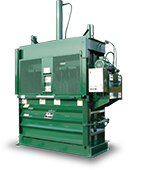
While not strictly compaction equipment in the traditional sense, balers compress recyclable materials (like cardboard or plastics) into manageable bales for recycling.
Applications of Compaction Equipment
Compaction equipment is essential in many industries. Here are some of the most common applications:
Construction
- Site preparation and grading.
- Road and highway construction.
- Trench backfilling.
- Foundation work.
Waste Management
- Municipal solid waste compaction.
- Recycling centers.
- Landfill operations.
- Commercial and industrial waste handling.
Commercial & Retail Spaces
- Shopping centers, hospitals, schools, and restaurants use compactors to manage waste efficiently and reduce hauling costs.
Manufacturing & Distribution
- Facilities use compactors and balers to manage packaging waste and maintain clean, organized work environments.
How Do I Choose the Right Compaction Equipment for My Project?
Choosing the right compaction equipment depends on several key factors. Here’s what to consider:
1. Material Type
- Soil, asphalt, waste, recyclables — each requires a different type of machine.
- Cohesive materials like clay need impact force (rammers or sheepsfoot rollers).
- Granular materials respond better to vibration (plate compactors or smooth rollers).
2. Project Scale
- Small residential jobs may only need a hand-operated plate compactor.
- Large construction or industrial projects may require ride-on rollers or landfill compactors.
3. Space Constraints
- Confined areas call for compact equipment like rammers or vertical compactors.
- Spacious environments may allow for larger, stationary machines.
4. Moisture Content
- Wet materials often need different handling strategies than dry materials.
- Self-contained compactors are ideal for wet waste.
5. Frequency of Use
- Choose heavy-duty, durable equipment for daily industrial use.
- Lighter, portable options may suffice for occasional or residential tasks.
6. Mobility
- Mobile units provide flexibility for changing project sites.
- Fixed units are best for facilities with consistent waste management needs.
Still unsure? Contact Action Compaction — our experts help you select the best equipment tailored to your specific application.
What Safety Precautions Should I Take When Using Compaction Equipment?
Safety is crucial when working with any type of machinery. Compaction equipment can be hazardous if not operated correctly. Below are essential safety precautions to follow:
1. Training and Certification
- Ensure operators are trained and familiar with the specific equipment.
- Review manufacturer manuals and operational procedures.
2. Personal Protective Equipment (PPE)
- Wear steel-toe boots, gloves, ear protection, and high-visibility vests.
- Use respiratory protection if working in dusty environments.
3. Pre-Use Inspections
- Check for visible damage, leaks, or malfunctioning parts before each use.
- Confirm hydraulic systems and safety guards are in place and functional.
4. Clear Work Zones
- Keep the area free of obstructions and unauthorized personnel.
- Use barricades or signage to warn nearby workers or pedestrians.
5. Follow Load and Usage Guidelines
- Do not overload balers or compactors.
- Use machines only for their intended materials and capacities.
6. Lockout/Tagout Procedures
- De-energize and secure equipment before maintenance or repair.
- Only trained personnel should perform service tasks.
7. Stay Alert
- Avoid distractions during operation.
- Be mindful of moving parts, pinch points, and vibration-related fatigue.
By following these practices, you ensure a safer workplace and maximize equipment life.
Why Choose Action Compaction?
At Action Compaction, we understand that every job is unique — and so is the equipment required to do it right.
We specialize in application-specific compactors and recycling equipment, delivering custom-built solutions that fit your needs. Whether you’re outfitting a commercial facility or managing industrial-scale waste operations, we build and install high-quality, durable machines backed by superior support.
Our team offers:
- Expert consultation to match you with the right compactor or baler.
- Installation services that ensure equipment is set up for peak performance.
- Mobile service and repairs from our experienced Service Department — always on call.
- Support across the Intermountain West, including Utah and surrounding states.
- Nationwide sales, no matter where your operation is located.
Contact Us Today
Ready to increase efficiency, save on costs, and improve your operations with professional-grade compaction equipment?
Let’s put your project into ACTION.
Call us today. Speak with one of our experts to find the right equipment for your needs. Trust our team for installation, service, and support that lasts.
Recent Comments