Waste compaction is a critical component of modern waste management strategies for businesses of all sizes. As operational costs continue to rise and environmental regulations become more stringent, organizations are under increasing pressure to manage waste efficiently, safely, and cost-effectively. Waste compaction addresses these challenges by reducing the volume of waste materials, improving handling efficiency, and lowering overall disposal expenses. For many organizations, understanding how waste compaction works and how it delivers measurable financial value is the first step toward long-term savings and operational improvement.
Explore equipment categories:
New Equipment |
New Industrial Compactors |
Industrial Recycling Balers |
Odor Control |
Chutes |
Used Equipment |
Sorting Systems
Tip: Match the right equipment to your waste stream to maximize savings and operational efficiency.
Understanding Waste Compaction
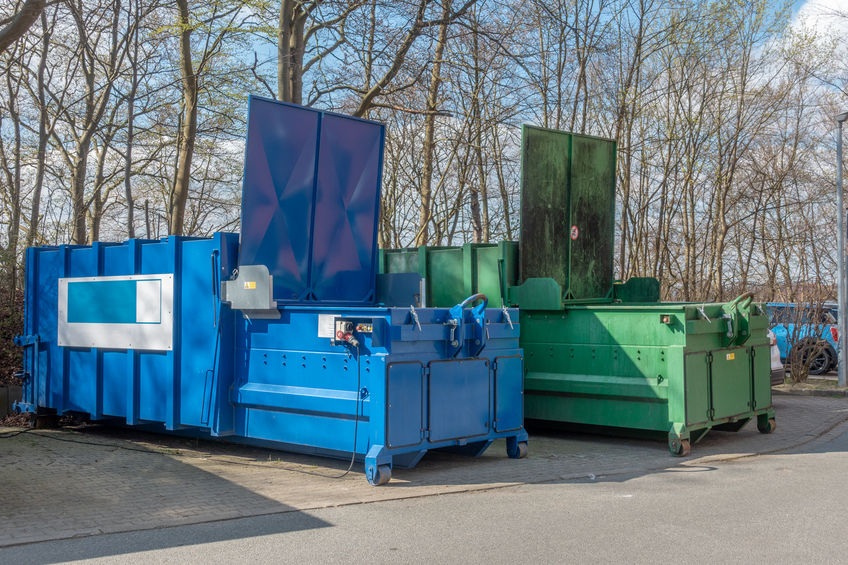
At its core, waste compaction is the process of compressing waste materials to reduce their volume. This is typically accomplished using specialized equipment such as stationary compactors, self-contained compactors, vertical balers, horizontal balers, and other recycling systems. These machines apply force to waste materials, compacting them into smaller, denser loads that are easier to transport and dispose of.
Waste compaction is commonly used in commercial and industrial environments where large volumes of waste are generated regularly. Retail centers, distribution warehouses, manufacturing facilities, hospitals, restaurants, office buildings, and construction sites all rely on commercial waste compaction to manage waste streams efficiently. By reducing the physical size of waste, businesses can streamline operations while maintaining cleaner, safer facilities.
Types of Waste Compaction Equipment
Waste compaction equipment is not a one-size-fits-all solution. Each system is designed to address specific waste streams, facility layouts, and operational requirements. Selecting the right equipment is essential to maximizing performance and return on investment.
Common waste compaction and recycling equipment includes:
-
Stationary compactors for dry waste such as cardboard, packaging, and general trash
(see new industrial compactors) -
Self-contained compactors designed for wet or food-related waste
(browse new equipment) -
Vertical balers ideal for smaller volumes of recyclables
(start with industrial recycling balers) -
Horizontal balers for high-volume recycling operations
(explore balers & recycling systems) -
Specialty compactors for unique applications and materials
(compare options in new equipment or
used equipment)
Because compactors and recycling equipment are application-specific, working with an experienced provider ensures the equipment is properly matched to the waste type, volume, and site conditions. Proper design and installation directly impact efficiency, safety, and cost savings.
Commercial Waste Compaction in Business Operations
Commercial waste compaction plays a vital role in daily business operations. Without compaction, waste quickly consumes valuable space, requires frequent pickups, and increases labor demands. Overflowing dumpsters and inefficient waste handling can disrupt operations, create safety hazards, and negatively affect customer and employee perceptions.
By implementing waste compaction systems, businesses can centralize waste handling, reduce clutter, and improve overall site organization. Compactors enable employees to dispose of waste quickly and efficiently while minimizing manual handling. This contributes to safer work environments and more consistent operational workflows.
In high-traffic or high-volume facilities, compactors also help manage peak waste generation periods without requiring constant attention or excessive hauling schedules.
Waste Compaction Benefits for Businesses
The waste compaction benefits for businesses extend far beyond simple volume reduction. When implemented correctly, compaction systems deliver a wide range of operational, financial, and environmental advantages.
Key waste compaction benefits include:
- Reduced waste volume, leading to fewer waste pickups
- Lower hauling and disposal costs
- Improved space utilization inside and outside the facility
- Enhanced workplace safety and cleanliness
- Better compliance with waste and recycling regulations
- Improved recycling efficiency and diversion rates (see recycling balers)
- Reduced environmental footprint
Each of these benefits contributes to a stronger bottom line while supporting sustainable business practices.
How Waste Compaction Saves Money
Understanding how waste compaction saves money requires looking at the full lifecycle of waste handling costs. Waste disposal expenses are not limited to hauling fees alone. They include labor, storage space, maintenance, safety risks, and inefficiencies that accumulate over time.
Reduced Hauling Frequency
One of the most immediate ways waste compaction saves money is by significantly reducing the number of waste pickups required. Compacted waste occupies far less space than loose waste, allowing containers to hold more material before reaching capacity. Fewer pickups translate directly into lower hauling and transportation costs.
Lower Disposal Fees
Many waste service providers charge based on the number of pulls or the volume of waste removed. By compacting waste into denser loads, businesses reduce the total number of hauls and can often negotiate more favorable service agreements. Over time, these savings can be substantial.
Decreased Labor Costs
Manual waste handling is time-consuming and labor-intensive. Without compaction, employees may spend significant time breaking down boxes, moving waste, and managing overflow containers. Waste compaction streamlines these tasks, allowing staff to focus on core responsibilities and reducing labor-related expenses.
Improved Space Utilization
Waste storage areas can occupy valuable real estate within a facility. Compactors reduce the footprint required for waste storage, freeing up space for revenue-generating activities or operational improvements. This is particularly valuable in urban or high-cost real estate markets.
Minimized Equipment and Maintenance Costs
Loose waste can damage dumpsters, enclosures, and surrounding infrastructure. Compaction systems are designed for durability and efficiency, reducing wear and tear on waste handling areas. If you’re comparing options, reviewing
used equipment
alongside
new equipment
can help you match budget to operational needs.
Waste Compaction and Recycling Efficiency
Waste compaction is closely linked to effective recycling programs. Many compactors and balers are specifically designed to handle recyclable materials such as cardboard, plastics, and metals. By compacting recyclables into uniform, manageable bales, businesses can improve material recovery and reduce contamination.
Enhanced recycling efficiency leads to additional financial benefits, including:
- Lower landfill disposal costs
- Potential revenue from recyclable materials
- Improved sustainability metrics and reporting
- Stronger corporate environmental responsibility initiatives
Businesses that invest in integrated waste compaction and recycling systems often see improved compliance with local and regional waste diversion requirements. For recycling workflows, explore
industrial recycling balers
and
sorting systems.
Application-Specific Solutions Matter
Not all waste streams are the same, and not all facilities operate under the same conditions. This is why application-specific equipment selection is critical. Factors such as waste composition, moisture content, volume, facility layout, and local regulations must all be considered.
Custom-engineered solutions ensure that waste compaction equipment performs efficiently without overengineering or underutilization. Proper planning and installation also reduce downtime, improve safety, and extend equipment lifespan. Businesses benefit most when equipment is designed around their specific operational needs rather than forced into generic solutions.
The Importance of Service and Support
Reliable waste compaction systems depend on ongoing service and support. Even the highest quality equipment requires regular maintenance and occasional repairs to perform at its best. A responsive service department minimizes downtime and protects the investment over the long term.
Professional service support includes:
- Preventive maintenance programs
- Mobile service and on-site repairs
- Rapid response to equipment issues
- Access to knowledgeable technicians and parts
For facilities expanding or upgrading equipment, consider standardizing across
new equipment
and
used options
to align performance, parts, and service coverage.
Regional and Nationwide Capabilities
Service area coverage plays an important role when selecting a waste compaction partner. Businesses benefit from working with providers who understand regional requirements while also offering nationwide sales and support capabilities.
In the Intermountain West, Utah, and surrounding states, having local expertise ensures compliance with regional regulations and site-specific challenges. Nationwide sales capabilities allow businesses with multiple locations to standardize equipment and service programs across their operations.
Long-Term Value of Waste Compaction
Waste compaction is not simply an expense. It is a strategic investment that delivers ongoing value over the life of the equipment. When properly selected, installed, and maintained, compaction systems provide consistent savings year after year.
The long-term value of waste compaction includes:
- Predictable waste management costs
- Improved operational efficiency
- Reduced environmental impact
- Enhanced facility appearance and safety
- Stronger sustainability performance
Contact Us Today
Waste compaction is a proven solution for businesses seeking to reduce costs, improve efficiency, and manage waste responsibly. By reducing waste volume, lowering hauling expenses, improving recycling performance, and enhancing workplace safety, commercial waste compaction delivers measurable financial and operational benefits. Understanding how waste compaction saves money allows organizations to make informed decisions that support both short-term savings and long-term sustainability.
At Action Compaction, we understand that compactors and recycling equipment are application-specific. We take pride in building and installing high-quality equipment and providing excellent ongoing service and support. Our Service Department is on call for mobile service and repairs, and our service area includes the Intermountain West, Utah, and the surrounding states. We sell nationwide and support businesses across a wide range of industries.
Ready to get started? Explore
industrial compactors,
recycling balers,
sorting systems,
odor control solutions,
and
trash & linen chutes.
Call us today and put us into ACTION.
Recent Comments