Used trash compactors can be a cost effective, reliable waste management solution when they are properly matched to the application. For many businesses, the primary decision comes down to upfront cost versus long term performance, reliability, and service support. In the first evaluation stage, decision makers want a clear answer to one question: does a used compactor deliver acceptable performance and return on investment compared to buying new?
In many commercial, industrial, and municipal applications, the answer is yes. Used trash compactors often provide faster deployment, lower capital costs, and strong short to mid term ROI. However, they also carry higher inspection, maintenance, and compliance considerations. This guide explains exactly when used compactors make sense, how they compare to new equipment, and how to evaluate ROI with confidence.
What Is a Used Trash Compactor
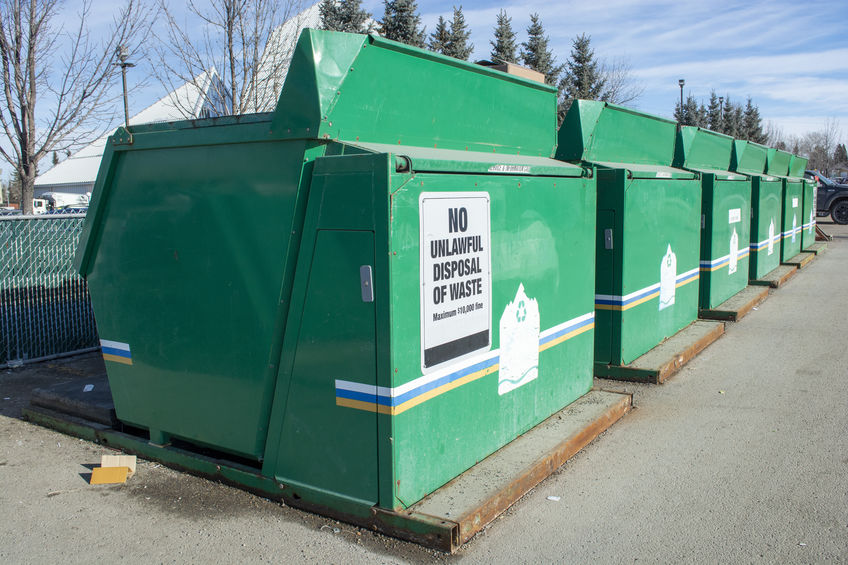
A used trash compactor is a pre owned waste compaction system that has previously been installed and operated at another site. These units are typically removed due to facility upgrades, relocations, or operational changes rather than equipment failure.
Common types of used compactors include:
-
Stationary compactors
-
Self contained compactors for wet waste
-
Vertical compactors for low volume applications
-
Industrial and transfer station compactors
Reputable suppliers inspect, test, and recondition used compactors before resale. This process often includes hydraulic testing, electrical verification, structural inspection, and safety system evaluation. Wear components may be replaced to ensure the unit is suitable for continued service.
Why Application Specific Design Is Critical
Trash compactors are not universal machines. Each system is designed around specific waste streams, volumes, loading methods, and site constraints. A used compactor that performed well in one environment may be inefficient or non compliant in another.
Key factors that must match the application include:
-
Waste type such as wet waste, cardboard, mixed solid waste, or industrial scrap
-
Daily and peak waste volume
-
Space and footprint limitations
-
Loading method such as chute, hopper, or cart tipper
-
Hauling and container requirements
Selecting used equipment without a proper application review is the most common cause of poor performance and unexpected costs. An experienced provider evaluates these variables before recommending any compactor, new or used.
Pros of Used Trash Compactors
Lower Initial Capital Cost
Used compactors typically cost significantly less than new models, making them attractive for organizations with limited capital budgets.
Financial benefits include:
-
Reduced purchase price
-
Lower depreciation exposure
-
Easier internal approval for capital expenditures
Faster Availability
Unlike new equipment, which may require weeks or months of manufacturing lead time, used compactors are often available for immediate delivery.
This is especially valuable for:
-
Facility expansions
-
Temporary or seasonal operations
-
Emergency replacements
Proven Real World Performance
Used compactors have already operated in real conditions. When properly inspected, their performance history can provide confidence in the design and durability of the system.
Sustainability Benefits
Reusing heavy industrial equipment extends its lifecycle and reduces the environmental impact associated with manufacturing new steel structures, hydraulic systems, and electrical components.
Cons and Risks of Used Trash Compactors
Limited Warranty Coverage
Used equipment typically comes with shorter and more limited warranties than new compactors. This increases the importance of inspection quality and ongoing service support.
Unknown Usage History
Even with inspections, previous operating conditions may vary. High volume or abusive use can accelerate wear on hydraulic cylinders, pumps, and structural components.
Potential risks include:
-
Increased maintenance frequency
-
Shorter remaining service life
-
Greater reliance on preventative maintenance
Code and Compliance Considerations
Older compactors may not meet current electrical, safety, or environmental codes. Modifications may be required to comply with local regulations, especially when relocating equipment.
Reduced Customization
New compactors can be built to exact site specifications. Used equipment may require compromises or retrofits to fit existing layouts, workflows, or enclosure requirements.
ROI Comparison: Used vs New Trash Compactors
Return on investment should be evaluated across the full lifecycle of the equipment, not just the purchase price.
Total Cost of Ownership Factors
-
Purchase price
-
Freight and installation
-
Maintenance and repairs
-
Energy usage
-
Downtime risk
-
Resale or disposal value
Typical ROI Characteristics
| Factor | Used Compactor | New Compactor |
|---|---|---|
| Initial cost | Low | High |
| Availability | Immediate | Delayed |
| Maintenance | Higher over time | Lower early life |
| Service life | Shorter remaining | Full lifespan |
| Customization | Limited | Full |
| Compliance upgrades | Possible | Built in |
In many applications, used compactors reach positive ROI faster due to lower upfront costs. New compactors often achieve lower total cost of ownership over long operational horizons.
Downtime Risk
Facilities that rely on continuous compaction may prioritize new equipment to minimize downtime. Operations with backup options or moderate waste volumes often tolerate the slightly higher risk associated with used equipment.
Service and Support Impact on ROI
Service support has a major influence on ROI, especially for used compactors. Proactive maintenance and rapid repairs can significantly extend service life and reduce downtime.
An effective service program includes:
-
Scheduled preventative maintenance
-
Emergency mobile service
-
Access to replacement parts
-
Technicians experienced across multiple compactor brands
For many buyers, strong service support outweighs the differences between new and used equipment.
When Used Trash Compactors Are the Best Choice
Used compactors are often ideal for:
-
Startups and expanding businesses
-
Temporary or construction sites
-
Backup or secondary systems
-
Facilities with predictable, moderate waste volumes
In these scenarios, lower capital cost and quick deployment typically outweigh the risks.
When New Trash Compactors Make More Sense
New equipment is often the better investment when:
-
Waste volumes are high or continuous
-
Custom layouts or footprints are required
-
Long term reliability is mission critical
-
Compliance requires the latest safety and control systems
For facilities planning decades of continuous operation, new compactors frequently deliver the lowest long term cost.
Why Provider Experience Matters
Choosing the right supplier is as important as choosing the equipment. Providers with regional expertise understand local regulations, hauling practices, and environmental conditions that affect performance and compliance.
Nationwide sales combined with regional service coverage ensures:
-
Proper equipment selection
-
Faster installation
-
Reliable long term support
Choosing the Right Compactor with Action Compaction
Used trash compactors can deliver strong value when properly selected, installed, and supported. Comparing them to new models requires a realistic assessment of application needs, budget constraints, and long term operational goals.
At Action Compaction, we specialize in application specific waste and recycling equipment. We build and install new systems, source high quality used compactors, and provide responsive mobile service across the Intermountain West, Utah, and surrounding states. With nationwide sales and experienced technicians, we help businesses choose equipment that maximizes ROI, safety, and efficiency.
Ready to evaluate whether a used or new trash compactor is right for your operation? Contact Action Compaction and put us into action.
Recent Comments