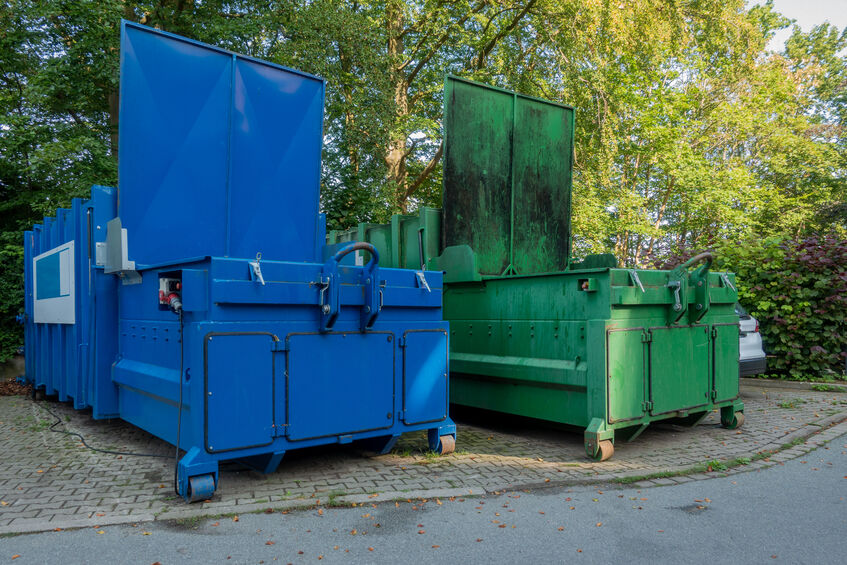
Trash compactor maintenance and baler maintenance are essential for reducing downtime, extending equipment life, and controlling repair costs. The most effective approach is a simple preventive maintenance routine that includes daily inspections, weekly lubrication and hydraulic checks, monthly electrical and structural reviews, and scheduled professional service.
- Inspect equipment daily for visible damage, debris buildup, and performance changes.
- Lubricate moving parts and check hydraulic systems every week.
- Review electrical components, fasteners, and overall performance each month.
- Schedule professional inspections and replace worn components before failure.
- Train operators to spot early warning signs and follow safe operating procedures.
Preventive maintenance is the routine care used to keep compactors and balers operating safely and efficiently before major problems occur. In practical terms, it means catching wear, leaks, loose parts, and electrical issues early enough to avoid unplanned breakdowns.
Why Compactor and Baler Maintenance Matters
Compactors and balers operate under high pressure, repeated cycles, and demanding facility conditions. Even durable equipment wears down faster when lubrication is skipped, debris builds up, or hydraulic and electrical issues go unnoticed.
A proactive maintenance plan helps facilities:
- Reduce unexpected breakdowns
- Lower long-term repair costs
- Support safer equipment operation
- Improve cycle consistency and performance
- Extend the working life of critical waste equipment
For companies running high-volume waste or recycling operations, consistent upkeep often protects both labor efficiency and hauling costs. Facilities that already rely on a dedicated equipment service team usually see fewer emergency disruptions because small issues are addressed before they become major repairs.
Maintenance Checklist by Frequency
Daily Maintenance Tasks
Daily checks are the fastest way to catch early problems. These tasks take only a few minutes but often prevent larger failures.
- Inspect for visible damage. Look for cracks, dents, bent guards, loose bolts, and worn moving parts.
- Remove debris buildup. Keep the loading area, compaction chamber, and surrounding components clear.
- Watch machine performance. Listen for unusual noises and note slower cycles, jerking movement, or inconsistent compaction.
Weekly Maintenance Tasks
Weekly maintenance focuses on key mechanical systems that experience regular wear.
- Lubricate moving parts. Apply the correct lubricant to hinges, bearings, and other designated points.
- Inspect hydraulic systems. Check hoses, fittings, seals, and fluid levels for leaks or pressure concerns.
- Test safety features. Confirm emergency stops, interlocks, and guards are functioning correctly.
Monthly Maintenance Tasks
Monthly reviews go deeper and help identify problems that develop gradually over time.
- Tighten structural and mounting components. Vibration can loosen fasteners and brackets.
- Inspect electrical systems. Look for frayed wires, overheated connections, or damaged control components.
- Evaluate overall performance. Compare cycle times, output consistency, and recurring service issues.
Quarterly and Annual Maintenance Tasks
Longer-term maintenance protects equipment life and supports safer operation over the full service cycle.
- Schedule professional inspections. Technicians can identify wear patterns and hidden issues that in-house teams may miss.
- Replace worn parts before failure. Common examples include hydraulic seals, hoses, wear plates, and electrical contact components.
- Review maintenance records. Service history often reveals recurring issues, operator trends, and replacement timing.
Quick Maintenance Schedule Reference
| Frequency | Primary Focus | Examples |
|---|---|---|
| Daily | Visible condition and operation | Damage check, debris removal, unusual noise review |
| Weekly | Mechanical and hydraulic care | Lubrication, fluid checks, hose inspection, safety testing |
| Monthly | Structural and electrical review | Fastener tightening, wire inspection, performance review |
| Quarterly / Annual | Professional service and replacement planning | Technician inspection, worn part replacement, maintenance record review |
Common Warning Signs Your Equipment Needs Attention
Many major breakdowns start with small warning signs. Addressing them early can prevent lost production time and higher repair bills.
- Hydraulic fluid leaks
- Slower or inconsistent cycle times
- Grinding, banging, or squealing noises
- Loose or vibrating structural components
- Burn marks, overheating, or electrical faults
- Safety switches or emergency stops not responding properly
If these issues are ignored, a minor service call can become a major repair. In many facilities, fast action is what separates a same-day fix from extended downtime. That is why a clear maintenance routine should work alongside a responsive repair strategy for compactors and balers.
Common Maintenance Mistakes to Avoid
Skipping Routine Checks
Daily and weekly inspections are easy to postpone when equipment seems to be running fine. That gap often allows leaks, loosened parts, and wear patterns to grow unnoticed.
Using the Wrong Lubricants or Parts
Incorrect materials can increase friction, damage components, and shorten equipment life. Always follow the manufacturer’s recommendations for fluids, lubricants, and replacement parts.
Ignoring Operator Feedback
Operators often notice strange noises, slower cycles, or inconsistent movement first. Their observations can be one of the most useful early-warning tools in a preventive maintenance plan.
Experience-Based Insight From the Field
In real operating environments, the longest-lasting compactors and balers are rarely the ones with the lightest workload. They are usually the ones with consistent inspection habits, trained operators, and documented service routines.
A practical pattern shows up across warehouses, retail backrooms, distribution centers, and manufacturing sites. Facilities that clean around the machine daily, inspect hydraulics weekly, and schedule professional service before peak failure points tend to avoid the most expensive breakdowns. That matters whether you are maintaining existing equipment or evaluating new compactors and balers for a growing operation.
How Training Supports Equipment Longevity
Operator training plays a direct role in maintenance results. A machine lasts longer when the people using it understand safe loading practices, warning signs, lockout procedures, and the difference between normal wear and a developing problem.
Training should help your team:
- Operate the machine correctly
- Recognize early warning signs
- Report issues quickly
- Follow cleaning and inspection procedures
- Use safety features properly
For some businesses, training becomes even more important when running older or rebuilt equipment in active service, where consistent oversight can make a major difference in long-term reliability.
How to Build a Maintenance Routine That Actually Gets Followed
The best maintenance checklist is the one your team can repeat consistently. A workable routine should be simple, documented, and tied to clear accountability.
- Assign daily, weekly, and monthly tasks to specific team members.
- Use written or digital checklists for every inspection cycle.
- Log leaks, abnormal noises, and repeat issues immediately.
- Schedule professional service before known peak-use periods.
- Review service history quarterly to refine the plan.
Businesses that want a more structured approach often benefit from a dedicated planned maintenance program that aligns inspections, service intervals, and replacement timing.
Frequently Asked Questions
How often should a trash compactor or baler be serviced?
Most equipment should be checked daily, with deeper mechanical and hydraulic inspections completed weekly and more detailed structural and electrical reviews done monthly. Professional service is typically recommended quarterly or annually, depending on usage, material volume, and operating conditions.
What is included in a compactor or baler maintenance checklist?
A strong checklist includes visual inspections, debris removal, lubrication, hydraulic leak checks, safety feature testing, electrical inspections, fastener tightening, and performance review. It should also include scheduled technician inspections and timely replacement of wear components before failure occurs.
What are the most common causes of compactor and baler breakdowns?
Common causes include skipped inspections, poor lubrication, hydraulic leaks, worn hoses or seals, loose structural components, electrical faults, and unaddressed operator-reported issues. Many breakdowns start as small maintenance problems that become larger repairs when ignored for too long.
Can in-house teams handle most maintenance tasks?
Yes, many daily, weekly, and monthly maintenance tasks can be handled in-house when staff are trained properly. However, advanced diagnostics, hydraulic repairs, electrical troubleshooting, and full equipment inspections are best handled by experienced service technicians familiar with industrial waste equipment.
How does preventive maintenance improve equipment lifespan?
Preventive maintenance reduces friction, catches wear early, protects hydraulic and electrical systems, and helps maintain safe operation. That lowers stress on critical components and reduces the chance of catastrophic failure, which usually means longer equipment life and lower total cost of ownership.
Bottom Line
A compactor or baler lasts longer when maintenance is routine, not reactive. Daily inspections, weekly lubrication and hydraulic checks, monthly electrical and structural reviews, and scheduled professional service are the foundation of reliable performance.
For facilities that depend on waste and recycling equipment every day, preventive maintenance is one of the most practical ways to reduce downtime, protect employee safety, and get more value from the equipment already in place.
Recent Comments