Managing waste efficiently has become a top priority for businesses and municipalities across the United States. From restaurants and hotels to hospitals and grocery chains, organizations are under increasing pressure to reduce their environmental footprint while also cutting costs associated with waste disposal. One solution that has proven to be both practical and effective for wet waste is the self-contained compactor. By addressing the unique challenges posed by liquid-heavy waste streams, self-contained compactors provide unmatched value in both efficiency and sanitation.
Understanding the Challenge of Wet Waste
Unlike dry waste, which consists primarily of packaging materials, paper products, and non-organic refuse, wet waste includes food scraps, produce trimmings, liquid by-products, and other organic material that can produce odors and attract pests. Wet waste often contains a high moisture content, which makes it heavy and prone to leakage. When improperly managed, this type of waste can result in foul smells, health hazards, unsanitary work environments, and expensive clean-up costs.
Traditional waste management methods, such as open dumpsters or stationary compactors, are not designed to handle the liquid element of wet waste. These systems often leak, creating unsightly and unsafe conditions on loading docks, in waste enclosures, or around facilities. A more specialized approach is needed, which is where self-contained compactors excel.
What Is a Self-Contained Compactor, and How Does It Differ from Other Types?
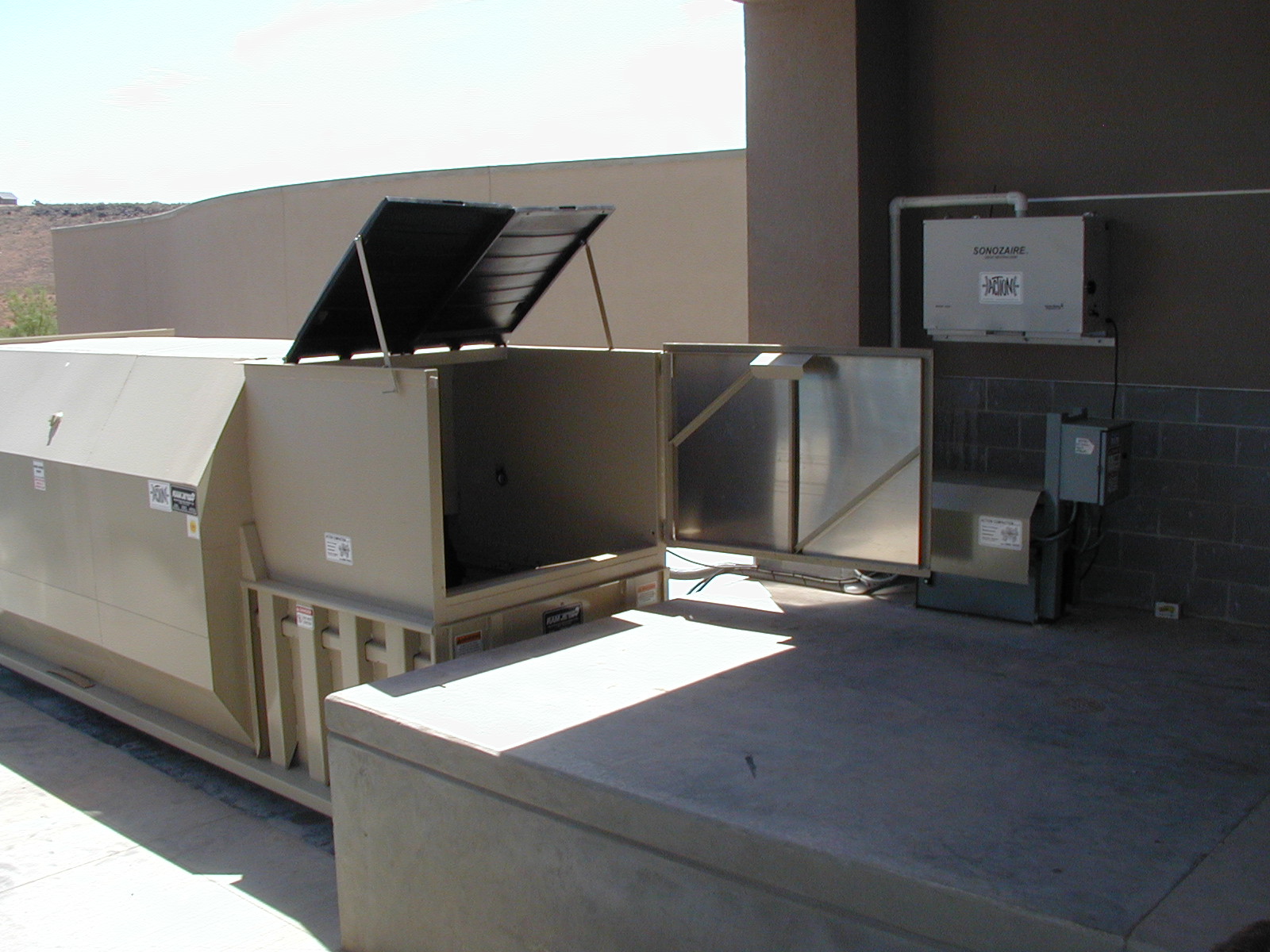
A self-contained compactor is a heavy-duty waste management system designed to handle wet and liquid-laden waste efficiently. Unlike stationary compactors, where the compactor unit is separate from the container, a self-contained compactor integrates the compaction unit and container into a single sealed system. This design prevents liquids from seeping out, containing both the solid and liquid components of waste in one unit.
Here are the key distinctions:
- Stationary compactors: These are typically used for dry waste. The compactor remains fixed in place, and the waste container is detached and hauled away when full. Liquids, however, can leak from the container, making them unsuitable for wet applications.
- Self-contained compactors: These units are permanently attached to their containers, creating a sealed system that prevents liquid leakage. When the container is hauled away, the entire unit goes with it, minimizing mess and ensuring sanitary conditions.
- Open-top dumpsters: While inexpensive, these are the least effective for wet waste. They provide no compaction, fill quickly, and allow liquids and odors to escape, resulting in higher hauling costs and poor sanitation.
In short, the defining feature of self-contained compactors is their sealed design, which ensures containment of wet waste while still delivering the cost-saving benefits of compaction.
Why Are Self-Contained Compactors Suitable for Wet Waste?
The primary reason self-contained compactors are the ideal solution for wet waste is their leak-resistant design. Wet waste management presents unique challenges that require more than simple waste volume reduction. Self-contained compactors address these challenges in the following ways:
1. Leak Prevention
By combining the container and compactor into one sealed unit, self-contained compactors prevent liquids from leaking onto loading docks, parking lots, or facility grounds. This significantly reduces the risk of contamination and costly clean-up.
2. Odor Control
Odors are a constant issue with wet waste. The sealed system of a self-contained compactor traps odors inside, preventing them from escaping and impacting employees, customers, or nearby residents.
3. Pest Deterrence
Open containers attract rodents, insects, and scavenger animals. By eliminating leaks and sealing waste securely, self-contained compactors remove the food source that pests seek, helping businesses maintain health and safety standards.
4. Reduced Hauling Costs
Wet waste is heavy and voluminous. A self-contained compactor compresses the material, significantly reducing the number of pickups required. This translates directly into lower hauling costs and reduced carbon emissions from transportation.
5. Compliance with Health Regulations
Industries like food service and healthcare must adhere to strict sanitation and waste management guidelines. Self-contained compactors help facilities meet compliance requirements by ensuring a hygienic and controlled disposal method.
What Industries Benefit Most from Using Self-Contained Compactors?
While almost any business that deals with wet waste can benefit from self-contained compactors, certain industries find them indispensable. Below are some of the primary sectors where these systems have the greatest impact.
Food Service and Hospitality
Restaurants, hotels, and resorts generate large volumes of food waste, much of it wet. With customers expecting clean and odor-free environments, businesses in this industry rely on self-contained compactors to ensure their back-of-house and exterior waste areas remain sanitary.
Grocery Stores and Supermarkets
Produce trimmings, spoiled food, and other perishables make grocery stores major generators of wet waste. A self-contained compactor not only reduces hauling costs but also helps grocers maintain strict cleanliness standards.
Hospitals and Healthcare Facilities
Medical facilities produce both organic and hazardous waste. While specialized medical waste often requires its own disposal methods, self-contained compactors provide an effective way to manage food waste and other wet materials from cafeterias and patient care areas.
Schools and Universities
Campus dining facilities produce significant amounts of food waste daily. With a large population relying on a sanitary environment, schools and universities benefit greatly from sealed, leak-proof waste management systems.
Food Processing and Distribution
Factories, warehouses, and distribution centers handling food products often generate waste with high moisture content. Self-contained compactors allow these businesses to handle large volumes efficiently while keeping facilities compliant with industry standards.
Retail Establishments
Even non-food retailers can benefit when their waste includes liquids, such as broken beverage containers, returned goods, or packaging with liquid residue.
The Cost-Saving Advantage of Self-Contained Compactors
One of the strongest arguments for investing in self-contained compactors is the long-term savings they provide. While the upfront investment may be higher than simpler waste solutions, the return on investment is realized through several avenues:
- Reduced haul frequency: By compacting waste, fewer pickups are required. Many businesses report savings of up to 50 percent on hauling costs.
- Lower labor costs: Employees spend less time managing waste, freeing them to focus on core business tasks.
- Minimized liability: Avoiding leaks and spills reduces slip-and-fall hazards and potential liability claims.
- Extended equipment lifespan: With proper maintenance, a self-contained compactor can last for years, making it a cost-effective long-term solution.
Environmental Benefits of Self-Contained Compactors
In addition to financial savings, self-contained compactors also contribute to environmental sustainability. By reducing the volume of waste transported to landfills, businesses lower their carbon footprint. Furthermore, some facilities integrate compactors into recycling and organics diversion programs, ensuring that waste streams are handled responsibly. These efforts support corporate sustainability goals while also aligning with growing consumer demand for environmentally conscious business practices.
Action Compaction: Your Partner in Waste Management
Choosing the right waste management equipment is never a one-size-fits-all decision. Compactors and recycling equipment are application-specific, and businesses need a provider that understands their unique needs. At Action Compaction, we take pride not only in building and installing top-quality equipment but also in delivering unmatched service and support throughout the lifetime of your investment. Our Service Department is always on call for mobile service and repairs, ensuring your operations run smoothly without interruption. Based in Utah, we serve the Intermountain West and surrounding states with dedication, while also selling our equipment nationwide. Whether your business is a small restaurant or a large hospital, Action Compaction has the expertise and equipment to meet your waste management challenges.
Ready to Take Action?
Wet waste management can be one of the most challenging aspects of running a business, but with the right equipment, it does not have to be. A self-contained compactor provides the sanitary, efficient, and cost-effective solution your organization needs. Are you ready to make the switch and experience the benefits for yourself? Call us today and put us into ACTION!
Recent Comments