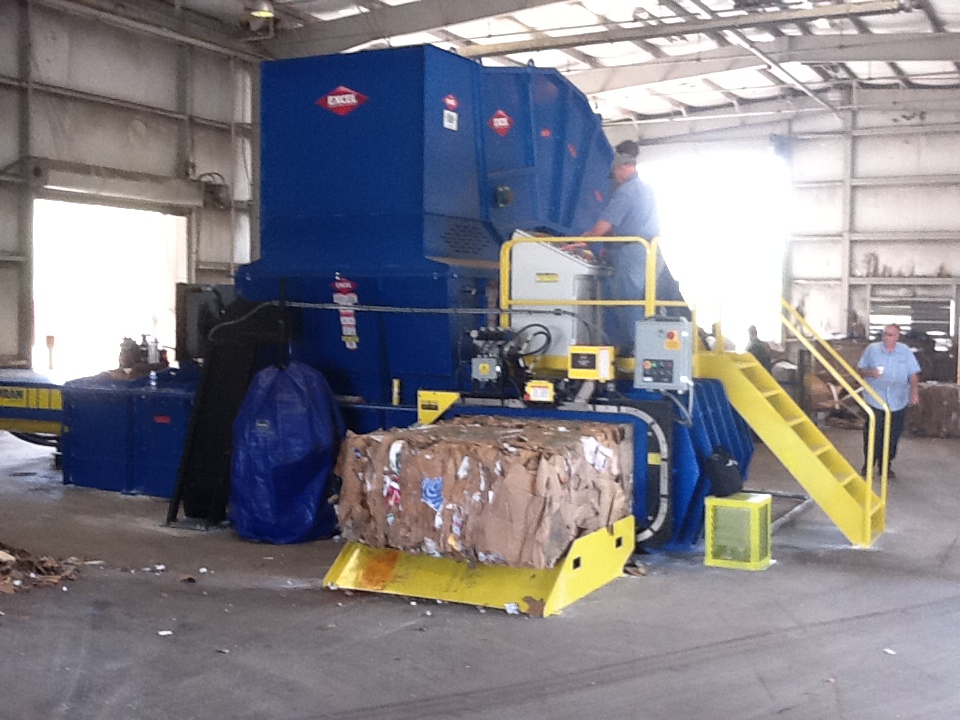
Understanding what is a recycling baler is essential for businesses that generate large volumes of recyclable material and want to manage waste efficiently, reduce costs, and improve sustainability efforts. A recycling baler machine is a specialized piece of equipment designed to compress loose recyclable materials into dense, manageable bales that are easier to store, transport, and sell to recycling facilities. From warehouses and manufacturing plants to retail stores and distribution centers, balers play a critical role in modern waste and recycling operations.
Explore recycling & material handling equipment:
Industrial Recycling Balers |
Sorting Systems |
Industrial Compactors |
New Equipment |
Used Equipment
Tip: Pair balers with sorting systems to reduce contamination and improve commodity value.
What Is a Recycling Baler?
A recycling baler is a machine that compacts recyclable materials into tightly bound bales using hydraulic pressure. These bales are typically rectangular or cylindrical and are secured with wire, strapping, or twine. The primary goal of baling is to reduce material volume, improve handling efficiency, and create uniform loads that meet recycling market requirements.
Loose recyclables, such as cardboard boxes or plastic packaging, take up significant space and can be difficult to manage. By compressing these materials, a recycling baler machine helps businesses optimize floor space, reduce hauling frequency, and often generate revenue by selling baled commodities.
Recycling balers are commonly used for materials including cardboard, paper, plastics, aluminum cans, and plastic film. Each material has different density and handling requirements, which is why balers are considered application-specific equipment. For high-volume operations, start with
industrial recycling balers.
Why Recycling Balers Are Application-Specific
Not all balers are designed to handle the same materials or operational demands. The type of material, volume generated, available space, labor considerations, and desired bale size all influence which baler is the best fit. Using the wrong baler can lead to inefficiencies, excessive wear, safety concerns, or bales that are rejected by recyclers.
Key factors that determine baler selection include:
- Material type and consistency
- Daily or weekly volume of recyclables
- Required bale weight and dimensions
- Available installation space and ceiling height
- Labor availability and workflow
- Local recycling market requirements
Because of these variables, recycling equipment should be carefully selected, installed, and supported by professionals who understand both the equipment and the end use. If you’re comparing configurations, browse
new equipment
and
used equipment
to match performance goals with budget.
How a Recycling Baler Machine Works
Although designs vary, most recycling baler machines operate using the same basic principles. The process typically involves loading material, compressing it under pressure, and securing the bale for removal.
The general steps include:
- Material is loaded into the baler chamber manually or via conveyor.
- A hydraulic ram compresses the material against a platen or wall.
- Compression continues until the desired bale density is achieved.
- Wire or strapping is applied to hold the bale together.
- The finished bale is ejected and removed for storage or transport.
Hydraulic systems provide the force needed to achieve high-density bales. Control systems range from basic manual operation to advanced automation, depending on the size and complexity of the baler. In high-volume facilities, balers are often integrated with
sorting systems
for faster processing and cleaner commodity output.
Vertical vs. Horizontal Recycling Balers
Recycling balers are broadly categorized into vertical and horizontal designs, each suited to different applications.
Vertical Balers
Vertical balers are typically used by small to medium-sized businesses with moderate recycling volumes. Material is loaded from the front, and the bale is formed vertically inside the chamber.
- Smaller footprint
- Lower upfront cost
- Manual or semi-automatic operation
- Ideal for retail stores, offices, and smaller warehouses
Vertical balers are often used as cardboard balers in retail and light industrial settings. For options, see
industrial recycling balers.
Horizontal Balers
Horizontal balers are designed for higher volumes and continuous operation. Material is fed horizontally, often via conveyor systems, and the baling process is largely automated.
- High throughput capacity
- Consistent bale size and density
- Reduced labor requirements
- Suitable for manufacturing, distribution, and recycling facilities
Horizontal systems are commonly used for plastic baler and film applications where large volumes are generated daily. Many operations pair horizontal balers with upstream
sorting systems
to improve bale quality and reduce contamination.
Cardboard Baler Applications
A cardboard baler is one of the most common types of recycling balers in use today. Cardboard is bulky, lightweight, and widely recyclable, making it an ideal candidate for baling.
Businesses that frequently use cardboard balers include:
- Retail stores
- Grocery stores
- Warehouses and fulfillment centers
- Manufacturing facilities
Corrugated boxes are broken down and loaded into the baler, where they are compressed into dense, uniform bales. These bales are easier to stack, store, and transport, and are readily accepted by recycling markets.
Benefits of using a cardboard baler include:
- Reduced waste hauling costs
- Improved cleanliness and organization
- Lower fire risk from loose cardboard
- Potential revenue from recycled cardboard sales
The density and size of cardboard bales can be adjusted based on recycler requirements and available handling equipment. For baler options, visit
industrial recycling balers.
Plastic Baler Applications
A plastic baler is designed to handle rigid and semi-rigid plastic materials such as bottles, containers, and packaging. Plastics are more resilient than cardboard and often require higher compression forces to achieve acceptable bale density.
Common plastic materials baled include:
- PET bottles
- HDPE containers
- Shrink wrap and strapping
- Mixed rigid plastics
Plastic balers are frequently used in manufacturing plants, recycling centers, and distribution facilities where plastic waste is generated in large quantities.
Key considerations for plastic baling include:
- Sorting plastics by resin type when required
- Achieving sufficient bale density for transport efficiency
- Preventing contamination with non-recyclable materials
Properly baled plastics help reduce landfill waste and support circular economy initiatives. Many facilities improve quality by adding
sorting systems
upstream of the baler.
Film and Soft Plastic Balers
Plastic film presents unique challenges due to its lightweight and flexible nature. Film includes materials such as stretch wrap, pallet wrap, shrink film, and plastic bags. Because film tends to spring back after compression, specialized balers or higher-pressure systems are often required.
Film balers are designed to:
- Prevent material from expanding after compression
- Produce dense, stable bales
- Minimize air pockets within the bale
Facilities that commonly bale film include warehouses, logistics centers, and large retailers. Effective film baling can significantly reduce waste volume and improve recycling outcomes for materials that are otherwise difficult to manage.
Operational Benefits of Recycling Balers
Investing in a recycling baler machine provides both operational and financial benefits for businesses of all sizes.
Key advantages include:
- Space savings by reducing material volume
- Lower transportation and hauling costs
- Improved workplace safety and organization
- Enhanced sustainability and environmental compliance
- Potential revenue from recyclable commodities
Balers also support compliance with local waste regulations and corporate sustainability goals by improving recycling rates and reducing landfill dependency. For combined waste reduction strategies, many facilities also implement
industrial compactors
alongside recycling programs.
Installation, Service, and Ongoing Support
Proper installation and maintenance are critical to the long-term performance of any recycling baler. Because balers are application-specific, professional assessment and installation help ensure that the equipment integrates seamlessly into existing operations.
Ongoing service and support are equally important. Regular maintenance helps prevent downtime, extend equipment life, and maintain safe operation. Mobile service and repair capabilities allow issues to be addressed quickly, minimizing operational disruptions.
Choosing the Right Recycling Equipment Partner
Selecting a recycling baler is not just about the machine itself. It is about partnering with a company that can design, build, install, and support equipment tailored to specific operational requirements.
An experienced provider evaluates:
- Material types and volumes
- Facility layout and workflow
- Safety and compliance requirements
- Long-term service and support needs
This consultative approach ensures that businesses receive equipment that performs effectively today and adapts to future growth. If you’re planning upgrades across multiple locations, comparing
new equipment
with
used equipment
can help standardize performance while controlling costs.
Contact Us Today
Understanding what a recycling baler is and how it works is the first step toward improving waste management efficiency and sustainability. Whether the application involves a cardboard baler for retail operations, a plastic baler for manufacturing waste, or specialized equipment for film recycling, the right solution depends on the material, volume, and operational goals.
Action Compaction specializes in application-specific compactors and recycling equipment built for performance and durability. We take pride in building and installing high-quality equipment and providing excellent ongoing service and support. Our Service Department is on call for mobile service and repairs, ensuring reliable operation when it matters most. Our service area includes the Intermountain West, Utah, and the surrounding states, and we sell nationwide.
Ready to get started? Explore
recycling baler solutions,
improve commodity quality with
sorting systems,
and complete your waste strategy with
industrial compactors.
Call us today and put us into ACTION. Contact us to learn more about our recycling baler solutions and expert support.
Recent Comments